Abodu Site Prep & Utilities: The Houston Owner’s Guide
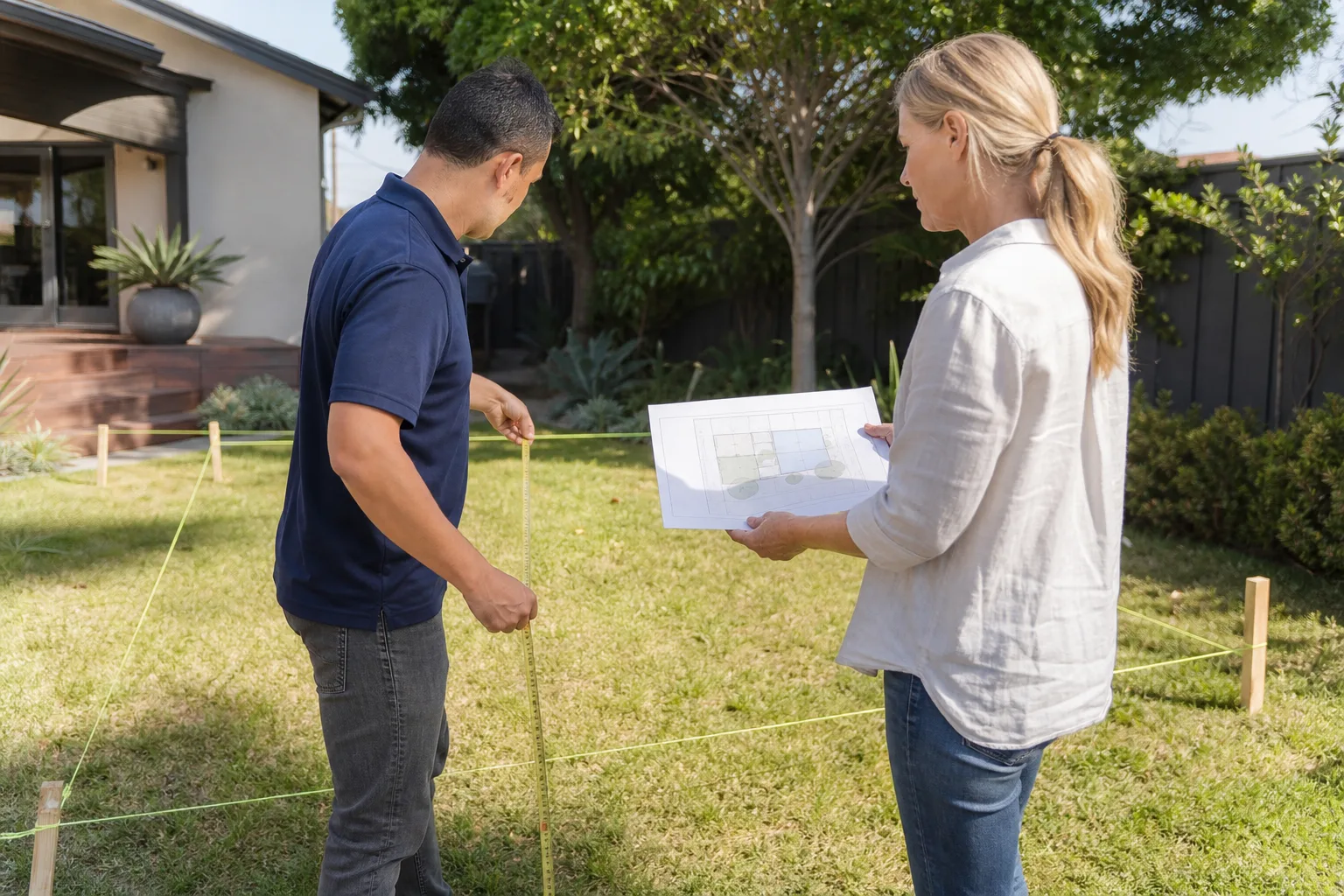
Site prep and utilities for an Abodu unit in Houston typically runs $18,000 to $45,000 depending on your lot’s soil conditions, existing utility access, and how far crews have to trench from the street or main panel. We stock the common fittings, meter bases, and disconnect hardware that Abodu builds call for, and we can usually get a crew on-site within a week for an evaluation. Most owners discover a problem the hard way: a delivery date gets scheduled, and then the foundation check or utility walk reveals the lot isn’t ready for the unit to be set. That’s the call we answer all day.
Houston’s clay soil shifts with every wet-dry cycle, and that changes how your site prep has to be done. If your lot sat through last summer’s drought and then got pounded by a Gulf storm, your pad or utility stub may have moved. You’ll feel it before you see it, usually as a gap under the corner of the unit or a breaker that trips when the mini-split kicks on.
Which Abodu Models This Applies To
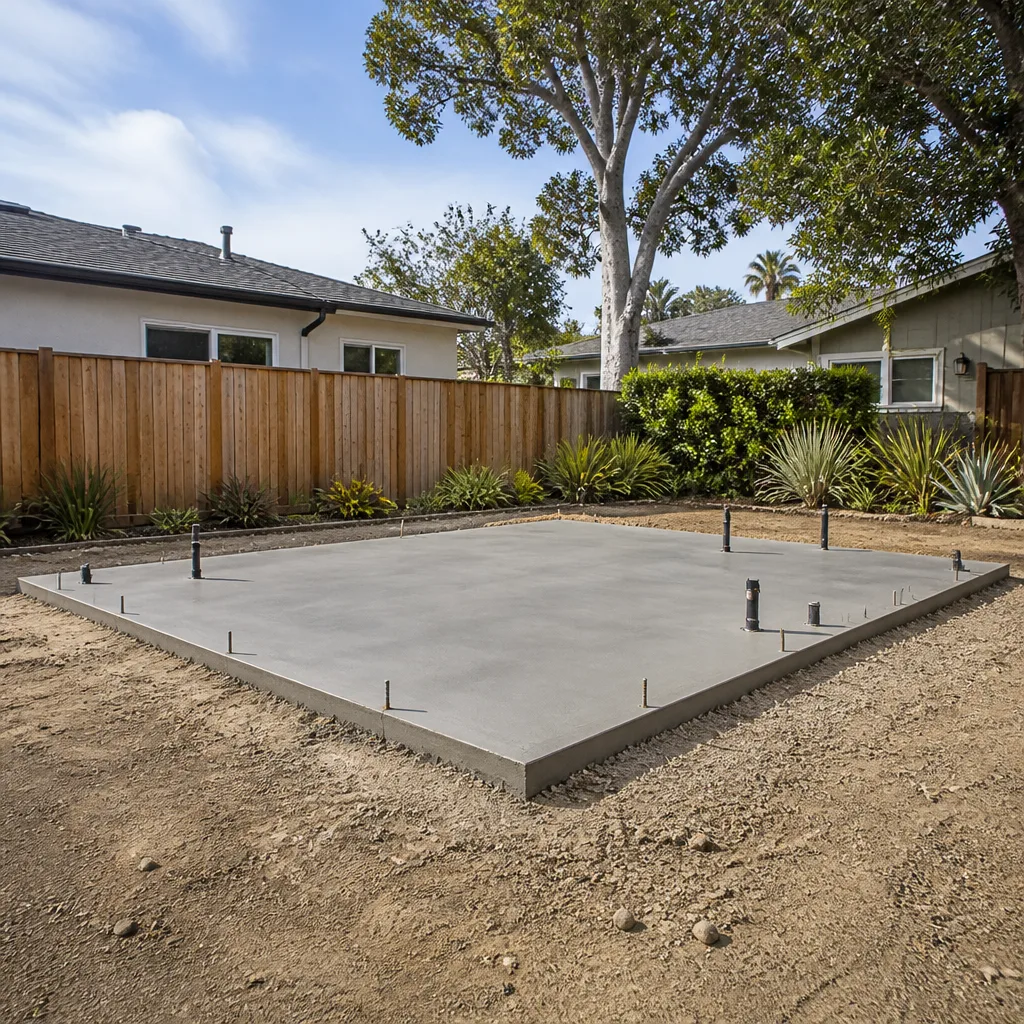
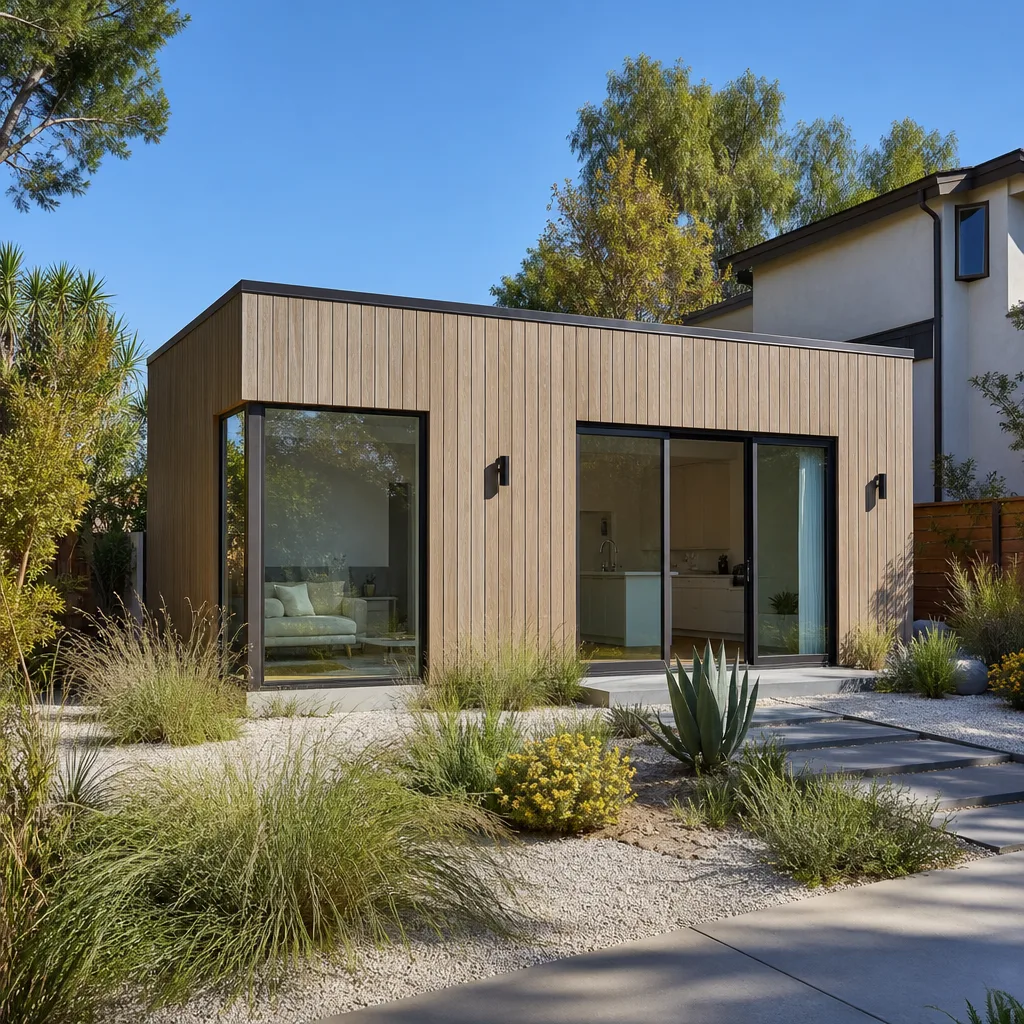
Abodu’s current lineup shares the same utility rough-in logic whether you have a Studio, a One, or a Two. The site side is where compatibility actually matters: your foundation, your sewer or septic connection, your water stub, and your electrical service. We work on all of them, and we’ve done enough Abodu sets across Houston to know where the friction points are.
The biggest compatibility gotcha with Abodu is the electrical service requirement. Most Abodu units call for a 100-amp subpanel feed, and that means your main panel needs to have the capacity to spare. A lot of older Houston homes, especially inside the Loop, are still running 100-amp or even 60-amp mains. That means a service upgrade gets added to the site prep before the Abodu ever leaves the factory floor. If your main panel is 200-amp, you’re usually fine. If it’s less, budget for the difference. We also see people assuming the sewer connection is a simple tie-in when their Abodu sits farther from the main line than the stock rough-in covers, which adds a sewer lift or a deeper trench. Neither is a dealbreaker, but both change the price.
For hardware, we use OEM Abodu-specified components when the job calls for them, and quality aftermarket equivalents where the spec allows. Main breaker disconnects, ground rods, and meter enclosures are all standard enough that a proven aftermarket part does the job identically for less money. What we won’t do is put a cheap aftermarket fitting on the water supply side where Houston’s chloramine-treated water eats through substandard brass in about five years. That’s a lesson we learned on a job in Meyerland we’d rather not repeat.
Signs Your Abodu Site Prep & Utilities Is Failing
- Door or window sticking in one corner. Houston’s expansive clay moves with moisture, and if your pad wasn’t engineered for the soil type under your specific lot, one corner can settle while the rest holds. Sticking happens when the frame has to carry a load it wasn’t designed for.
- Breakers tripping when the mini-split runs. An undersized feeder line or a loose lug at the disconnect creates heat, and heat trips breakers. We find this on units where someone ran the electrical as a favor instead of running a load calculation.
- Sewer smell near the unit after heavy rain. That’s usually a belly in the drain line from ground movement, or a vent that wasn’t graded right. Either way, Houston’s rain will find it and make it obvious.
- Water pressure drops when two fixtures run at once. If the supply stub for your Abodu was tied into an undersized existing line, a shower and a kitchen faucet at the same time will expose it. Low flow from every fixture points to the site-side connection, not the fixture itself.
- Pad edges crumbling or spalling. Concrete that was poured too wet, or poured in Houston’s July heat without proper curing, will start to flake at the edges within a couple of years. If you can knock a chunk off with your boot heel, the pad needs attention before the unit’s anchoring system takes damage.
Replacement Cost & What’s Included
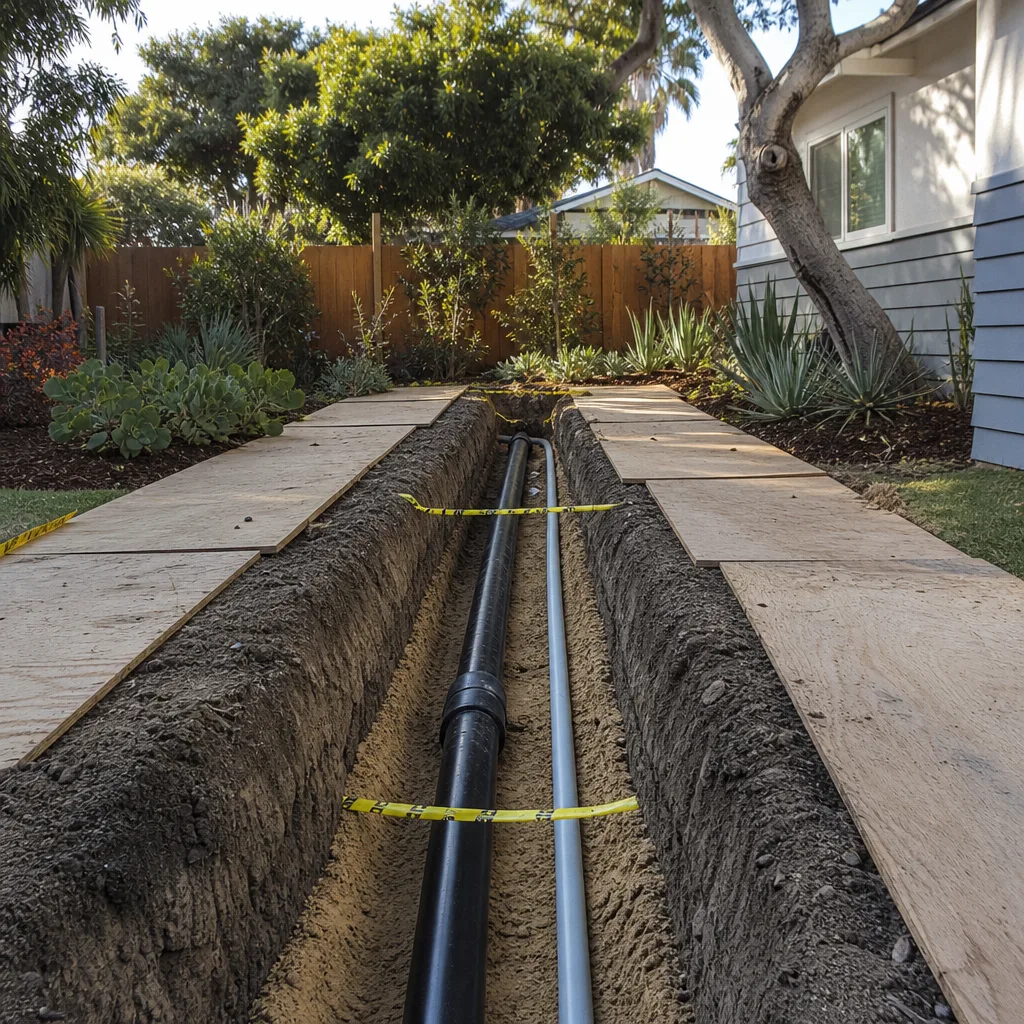
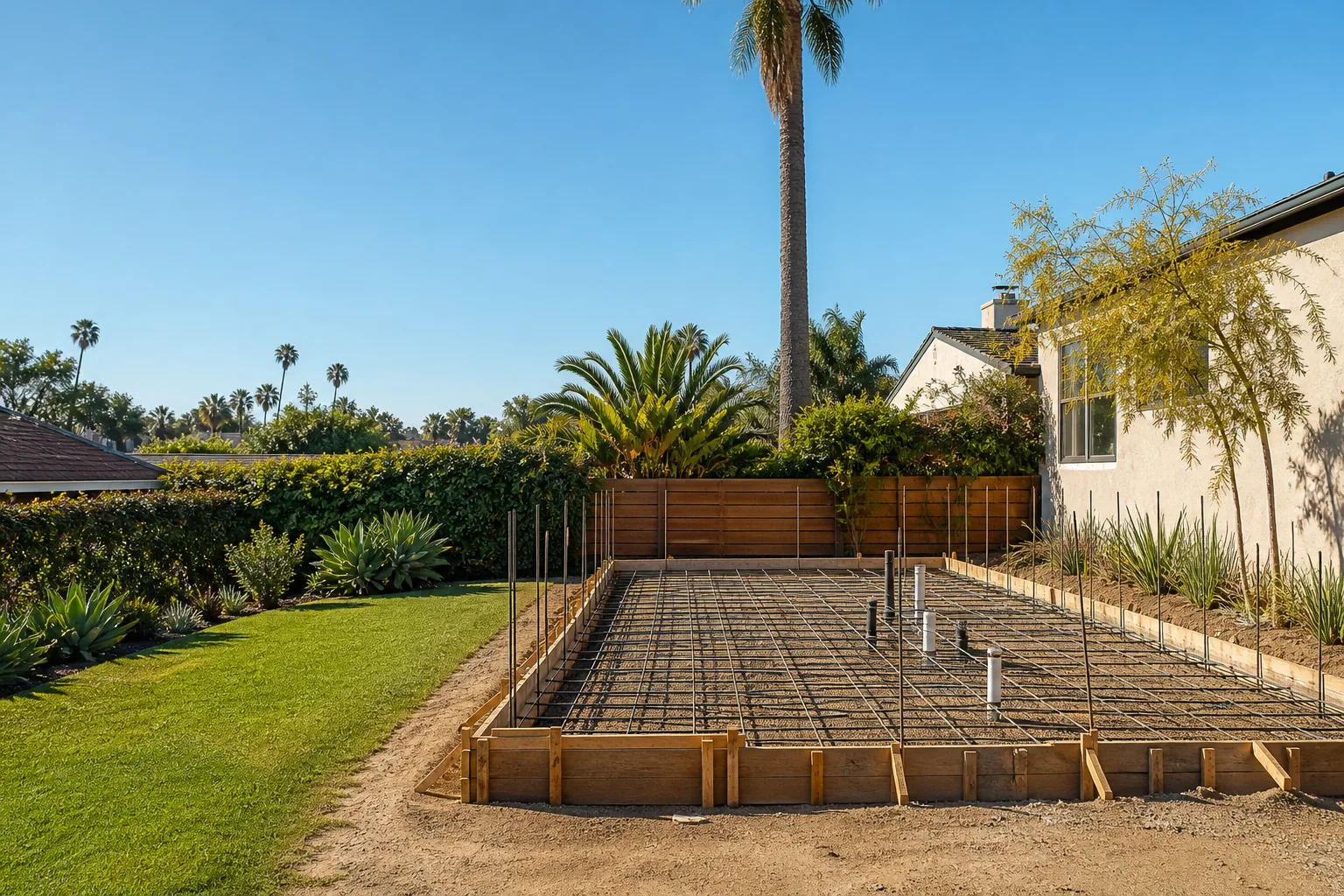
For Houston, a full Abodu site prep package, including foundation, utility connections, and final grading, lands between $18,000 and $45,000. Here’s the breakdown of what moves the number:
- Foundation: $8,000 to $20,000 depending on soil report requirements and pier depth. Houston’s clay means we’re almost always going deeper than you’d think.
- Electrical: $4,000 to $10,000, which includes the disconnect, feeder line, and the panel work. If your main panel needs an upgrade to 200 amps, add $3,000 to $6,000 to that.
- Water and sewer: $3,500 to $9,000 based on trench distance and whether you’re on municipal sewer or a septic system that needs its own tie-in.
- Grading and drainage: $2,500 to $6,000. This is the part people skip, and then they call us back after the first storm wondering why water is pooling under the unit.
Every quote from us is a written line-item price before any work starts. You’ll know exactly what you’re paying for, and that price doesn’t change when the crew shows up. The workmanship carries our 365-Day Done Right Promise, which says in writing that if something isn’t right, we come back and make it right. No charge for the return visit.
DIY or Call Us?
There are things you can safely check yourself, and then there’s the stuff that’ll hurt you. You can check your breaker panel to see what amperage service you have. You can look at your water meter while nothing is running to see if the small dial is still moving, which would tell you there’s a leak somewhere between the street and the unit. You can walk the pad after a rain and note where water sits.
What you should not do is touch a live electrical panel, try to re-grade your own drainage, or attempt to repair a sewer line. A 100-amp service carries enough current to kill you, and a sewer line under Houston clay is under enough pressure that a bad patch job just moves the problem down the line. If you’re seeing any of the signs above, call us at (361) 326-2313 and we’ll put eyes on it. Russ Delmar and our Houston crew will tell you what’s actually wrong and what it actually costs to fix it, in writing, before anything starts.
FAQs
A properly engineered concrete pad on compacted Houston soil should last 30 years or more, but realistically the utility connections, especially water and sewer lines in shifting clay, will need attention every 10 to 15 years. The electrical components last longer if they were sized correctly the first time. The number one thing that shortens the lifespan of any of it is drainage that wasn’t done right, because standing water and expanding clay attack everything over time. Call (361) 326-2313 for a walkthrough if yours is 10 years or older.
Some of it can be repaired. A settling corner on a slab can often be stabilized with piering, and a failing drain line can be spot-replaced or sleeved. Full replacement is usually only needed when the pad has cracked through in multiple places or when the utility work was so far off spec that it’s cheaper to redo than to patch. The honest answer depends on what we find when we dig or probe. We’ll tell you the cheaper option when it’s viable, and the line-item price for either before you have to commit.
A full site prep package takes between three and six weeks from first dig to final inspection, with Houston’s weather and the city’s inspection schedule being the two variables that move the timeline. Utility-only fixes can often be done in under a week. We put the schedule in writing, and Russ has yet to leave a Houston job unfinished on the date he said it would be done. Call (361) 326-2313 and we’ll give you a straight answer on your specific lot.
Yes. We stock common disconnect enclosures, meter bases, ground rods, supply fittings, and the hardware that connects an Abodu to its site utilities. OEM-specific parts can ship in a few days when the job requires them. We also work with Cover and Dvele units, so our truck carries hardware that crosses over between those brands. Tell us what you need the space to do, and we’ll tell you exactly what it takes to get there.
If your Abodu is scheduled for delivery and your lot isn’t ready, or if the unit is already sitting on site and something isn’t working right, call (361) 326-2313. A live person answers, day or night. We’ll schedule a walkthrough, give you a written price, and handle the site work so your unit is set on ground that’ll hold it. Lodgewick ADU Houston is an independent service provider, not affiliated with Abodu, and we’ve been doing this work across Houston long enough to know what the soil is going to do before it does it.
Written by Russ Delmar, Owner, Lodgewick ADU Houston at Lodgewick ADU Houston, serving Houston and nearby areas.