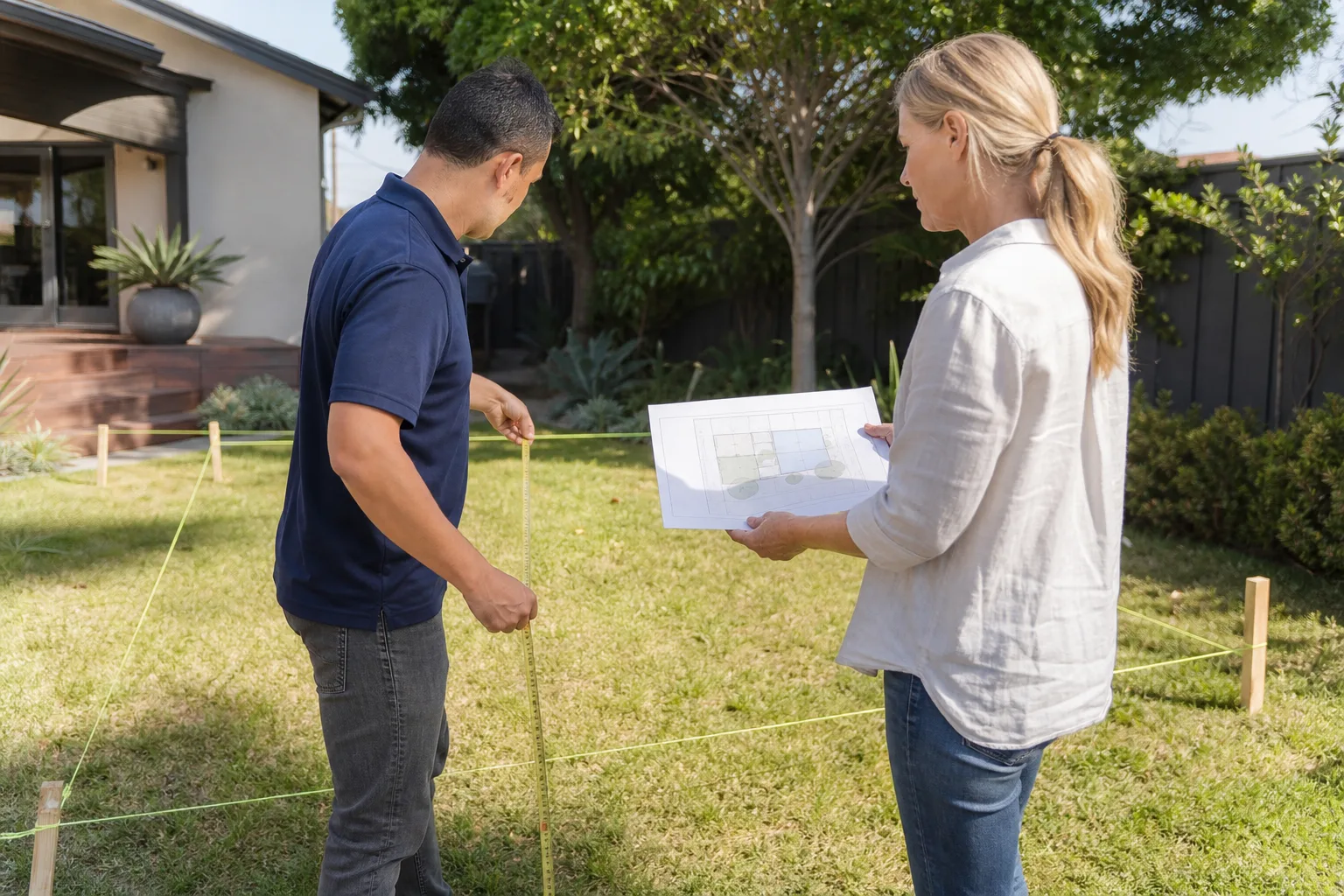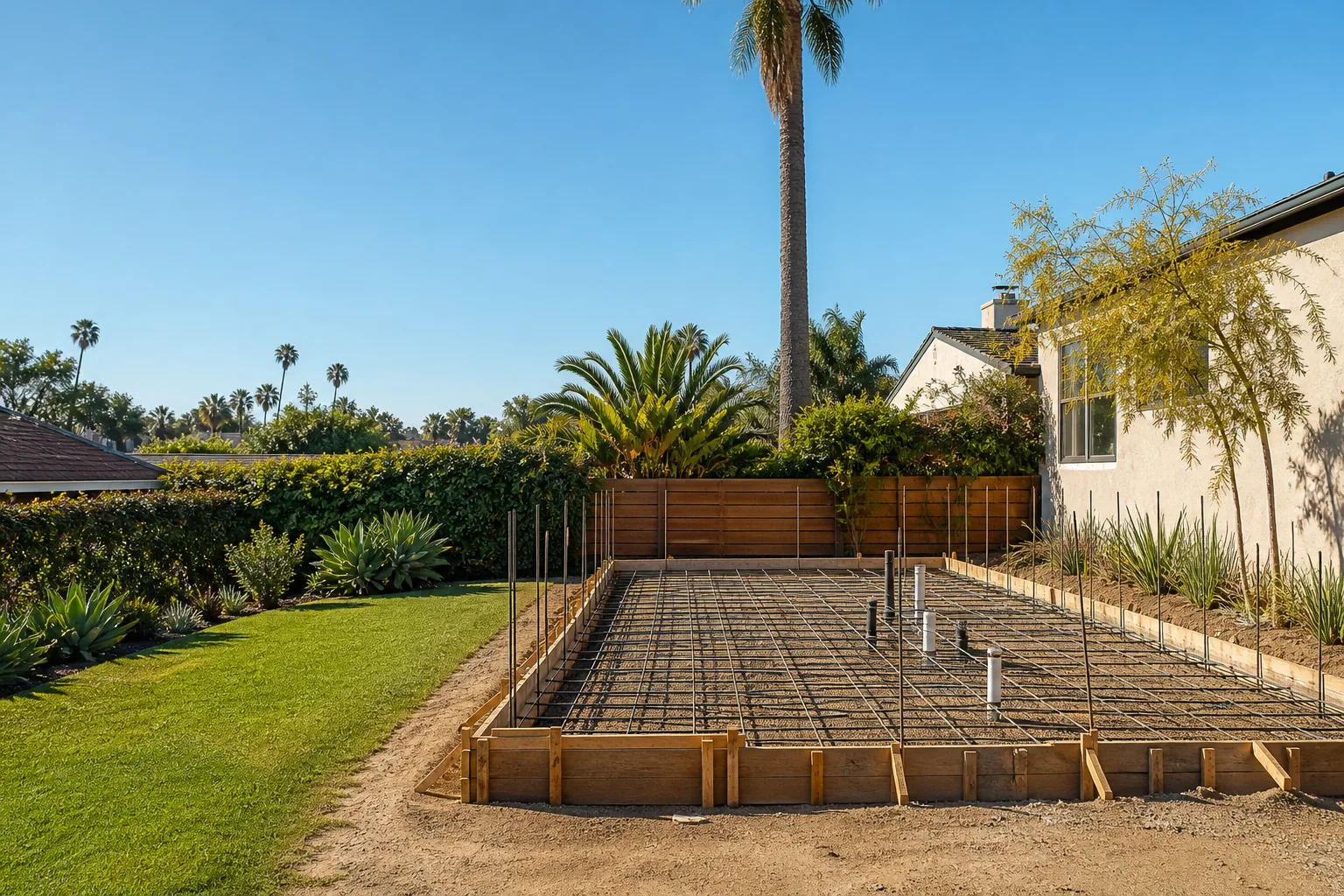
Cover Site Prep & Utilities: The Houston Owner’s Guide
Site prep and utility work for a Cover unit in Houston typically runs $18,000 to $45,000 installed, depending on soil conditions, utility distances, and whether your lot needs pier work or a slab. We stock the common connectors, trenching components, and meter-ready gear to get your Cover unit tied in, and we can usually have a crew out within a week of your call. Most owners discover this part of the project failed when the unit won’t hold level, the power trips intermittently, or a trench line starts settling after a heavy Houston rain.
Half the Cover units we see in Houston were dropped on lots that weren’t actually ready. The manufacturer ships a precise, well-built module. What happens between the truck and the foundation is where things go sideways, and that’s exactly the work we do every week. Russ Delmar has been sorting out Houston lot conditions for years, and the failures he sees repeat themselves: piers that sink into gumbo clay, under-slab conduit that was never rated for the load, water lines run too shallow for a freeze, and drainage that sends water back toward the unit instead of away from it.
Key Takeaways
- Cover site prep and utility connection in Houston usually lands between $18,000 and $45,000, complete.
- Houston’s clay soil shifts seasonally, so pier depth and slab design are the two biggest cost and failure variables.
- We’re an independent Houston service provider – not affiliated with Cover – but we’ve worked with their units, their spec sheets, and their tolerances since the brand hit Texas.
- The 365-Day Done Right Promise covers our site prep and utility work in writing. If it fails within a year, we come back and make it right at no charge.
Which Cover Models This Applies To
Every Cover unit currently installed in the Houston area, from the first-generation Studio models through the current one- and two-bedroom layouts, sits on-site prep we can inspect, correct, or install from scratch. The older Studio units, built before 2022, use a slightly different anchor pattern than the current generation. If you have a data plate photo or can read the serial number from the unit’s exterior frame rail, we can confirm the exact spec before we start.
The compatibility gotcha most Houston owners don’t know: Cover’s current models want anchor points at six feet on center on the long walls, but their early Texas deliveries were spec’d for California soil, not Houston gumbo. If your original installer followed the California sheet, your unit is under-anchored for our freeze-thaw and swampy seasons. When we’re on site, we check anchor count and depth against the serial number rather than assuming the old plan was right. That’s a five-minute inspection that has caught real problems before they became structural ones.
For the utility side, the unit is the same across model years: a main disconnect near the utility feed, a 200-amp service, and standard water and sewer stubs that tie into your existing house lines or a new service from the street. Cover units don’t use proprietary connectors at the utility boundary, which means we can use quality commercial-grade fittings from suppliers we’ve worked with for years. We also keep compatible hardware on hand for Abodu and Dvele units for clients who have a second structure or are considering one.
Signs Your Cover Site Prep & Utilities Are Failing
- Doors begin to stick or bind in a humid month. This usually means one corner of the unit has moved. In Houston, a pier that was set too shallow in expansive clay lifts and drops with the moisture cycle. If the unit isn’t level within the manufacturer’s tolerance, the door frames twist.
- Power trips when the HVAC kicks on. We see under-gauge feeder wire or loose lugs at the disconnect in a lot of Houston Cover installs. A connection that was fine in a mild spring struggles when the unit’s cooling system pull spikes in a Houston August.
- A visible dip or low spot in the trench line that runs from the main house to the unit. Backfill settles, especially after the first heavy rain. If the trench settles more than an inch, the pipe below is now carrying weight it wasn’t designed for, and that’s how PVC cracks.
- Water pressure in the unit drops when a sprinkler zone runs. That points to an undersized service line or a shared line that should have been split at the meter. Cover wants dedicated service, and when an installer cuts that corner, you’ll feel it at the shower while the yard waters itself.
- You find standing water near the unit hours after rain stops. Houston lots need positive drainage graded away from the slab or piers. If the pad was placed without enough slope, water pools and works at the foundation. This is the single most preventable failure we correct on Cover sites.
Replacement Cost & What’s Included
For an existing Cover unit where the prep or utilities need correction, Houston pricing generally runs $4,000 to $12,000 for a partial fix, like re-anchoring one wall, replacing a feeder line, or regrading drainage. A full correction – new piers, new utility runs, re-leveling, and drainage rework – lands between $15,000 and $30,000. If you’re starting fresh with a new Cover build, site prep and utilities fall in the $18,000 to $45,000 range we opened with.
| Scope of Work | Typical Houston Installed Price |
|---|---|
| Re-anchor one wall / correct pier depth | $4,000 – $8,500 |
| Replace feeder line and disconnect | $3,500 – $7,000 |
| Regrade drainage around unit | $2,500 – $6,000 |
| Full prep correction (piers, utilities, drainage) | $15,000 – $30,000 |
| New Cover site prep & utility connection | $18,000 – $45,000 |
Every quote we write is a fixed number. No change orders at the door, no “we found something” price bumps once we’re in the trench. The Kingswell Guarantee puts the price and the 365-day warranty in writing before work starts, and we leave the job site cleaner than we found it. If any part of our work fails inside that year, the return visit costs you nothing.
DIY or Call Us?
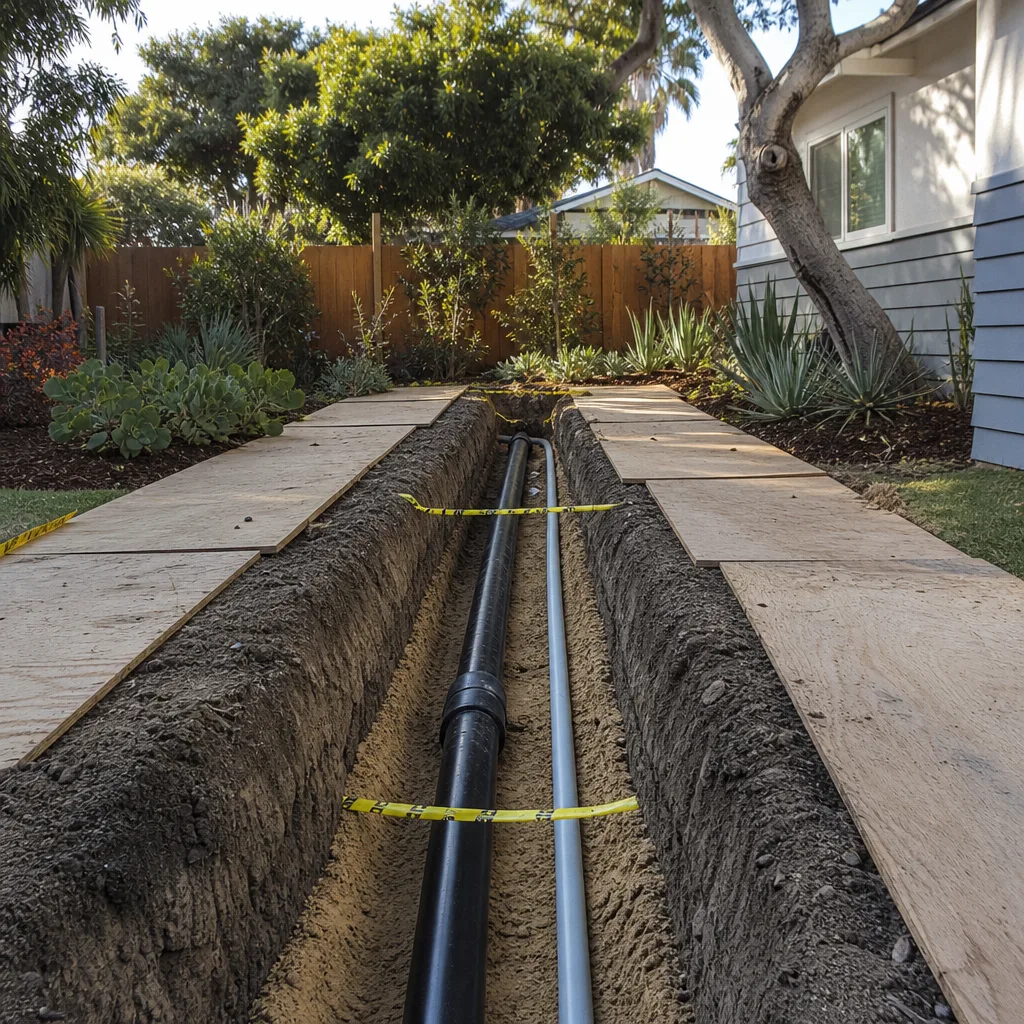
There are a few things you can safely check yourself. Confirm the unit still sits level with a four-foot level across the main door threshold. Look at the trench line for settling. Check the disconnect panel for burning smell or any lug that looks darkened. Those are inspection items, not repairs, and a homeowner with basic awareness can spot them.
What you shouldn’t touch is the actual correction. Digging piers in Houston clay means knowing how deep you have to go before you hit stable soil, and doing it wrong means you’ve spent a weekend and the unit is still moving. Utility work on the feeder side means opening a live panel, and that’s a genuine hazard – 200 amps through a loose lug will hurt you badly or worse. Re-anchoring a partially settled structure requires staging the lift in sequence so you don’t crack wall panels. This is the work we do every week, and it’s the work worth paying for. If any of these symptoms sound familiar, call (361) 326-2313 and Russ or one of our crew will walk you through what to look at before recommending an inspection. Estimates are free.
FAQs
Done correctly, the utility lines and drainage systems on a Cover site should last 30 to 50 years, with connectors and disconnects needing inspection every five years or after any major storm event. Pier systems set deep enough for Houston clay should hold for decades, but the shallow, California-spec installs we sometimes inherit start showing movement within the first two to three years.
Most failures can be repaired without starting over. A settling pier can be re-set or supplemented, a cracked sewer line can be spot-replaced or rerun, and drainage often just needs regrading and a proper swale cut. Full replacement is rare and usually applies when the original work was so far off spec that patching would leave the same underlying problem in place.
A single correction like re-anchoring one wall or replacing a feeder line usually takes one to two days. A full prep correction with pier work, utility replacement, and drainage typically runs five to ten working days depending on how many trades are in the schedule and how deep the excavation has to go. We give you the schedule in writing before we start, and we hit it.
We keep the common anchors, commercial utility fittings, disconnects, and trenching hardware on our Houston trucks, and anything specific to your unit’s serial number we can usually source within a few days. We do not use Cover proprietary components at the utility boundary because the unit doesn’t require them – standard commercial-grade parts work and are easier to service later. Call (361) 326-2313 with your serial or data plate photo and we’ll confirm what’s on hand before you schedule.
Tell me what you need the space to do, and I’ll tell you exactly what it takes to get there.
Get Your Free Cover Site Prep Estimate in Houston
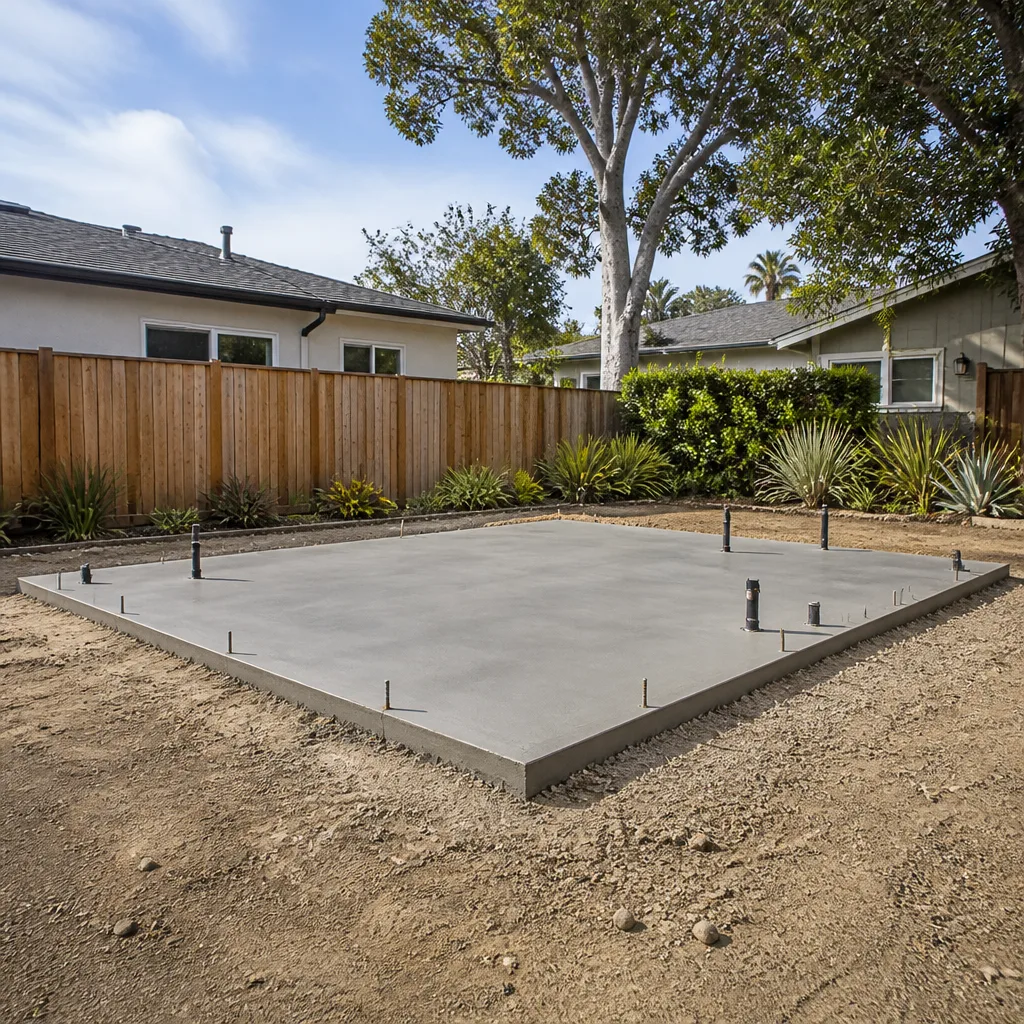
If your Cover unit isn’t sitting right, the power is acting up, or water is pooling where it shouldn’t, don’t wait for the next Houston storm to make it worse. Call (361) 326-2313. You’ll get Russ or a live person on the line, not a voicemail tree, and we’ll set up a free estimate with a written price before any work begins. We serve the Houston metro, from the Heights out through Katy and the surrounding suburbs, and we’ve been correcting and building Cover sites here long enough to know what this soil does before we dig the first hole.
Written by Russ Delmar, Owner, Lodgewick ADU Houston at Lodgewick ADU Houston, serving Houston and nearby areas.