Plant Prefab Site Prep & Utilities: The Houston Owner’s Guide
Site prep and utility work for a Plant Prefab home in Houston typically runs $18,000 to $45,000 depending on lot conditions, utility distances, and what the city requires for your specific parcel. We stock the materials and manage the full scope: excavation, foundation pads or piers, water, sewer, electrical, and data runs up to the connection point. Owners usually find themselves here when their original site package was under-specified, a utility stub got damaged, or the lot turned out to have surprises the first contractor never mentioned.
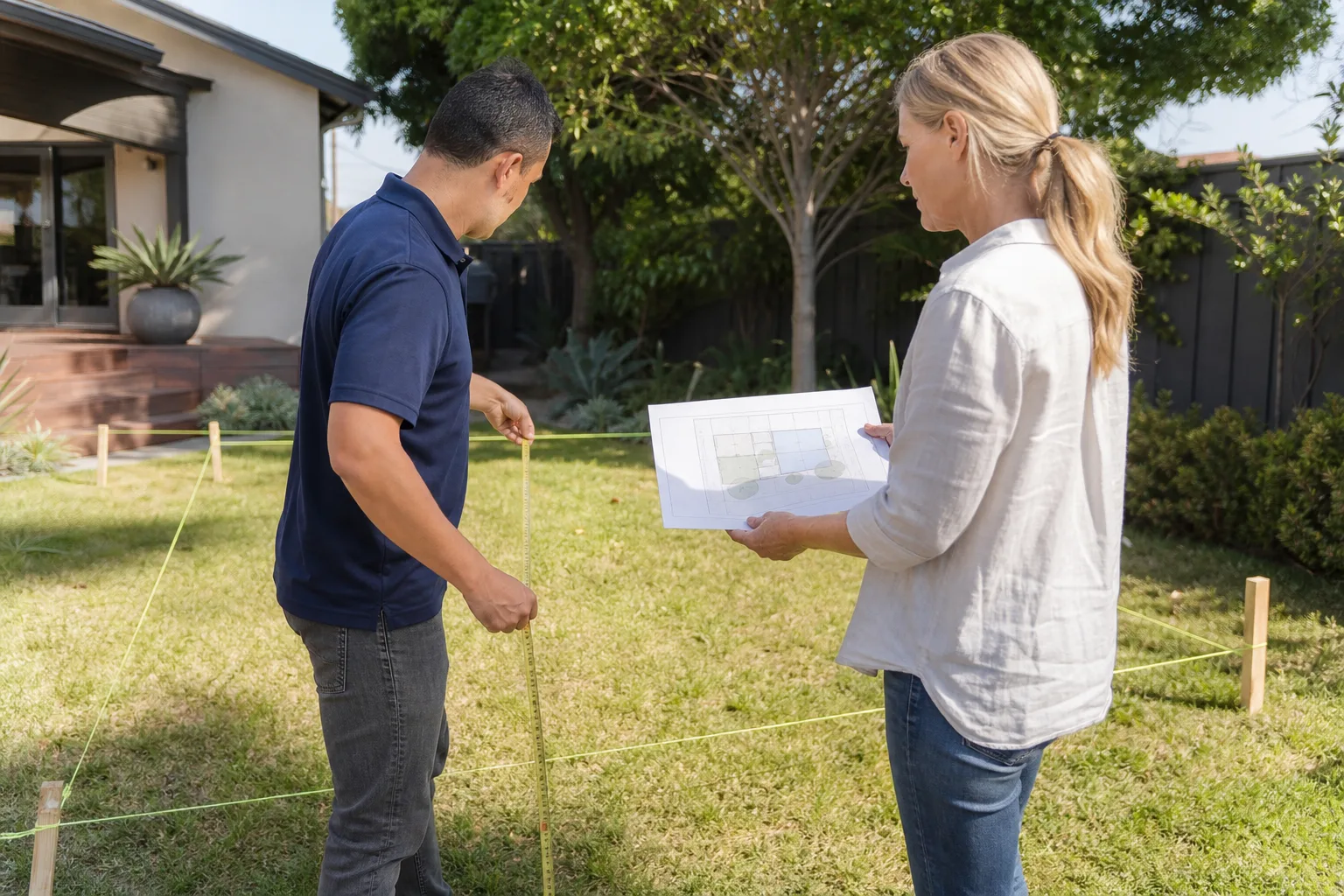
Most calls start the same way: a homeowner bought a Plant Prefab unit, scheduled delivery, and then discovered the site work wasn’t actually ready, or the original trenching failed a city inspection. Houston clay shifts. Tie-ins that looked fine in February develop problems by August. Our job is to make sure the ground under your Plant Prefab and the utilities feeding it are done right the first time, in writing, before your modules ever show up.
Which Plant Prefab Models This Applies To
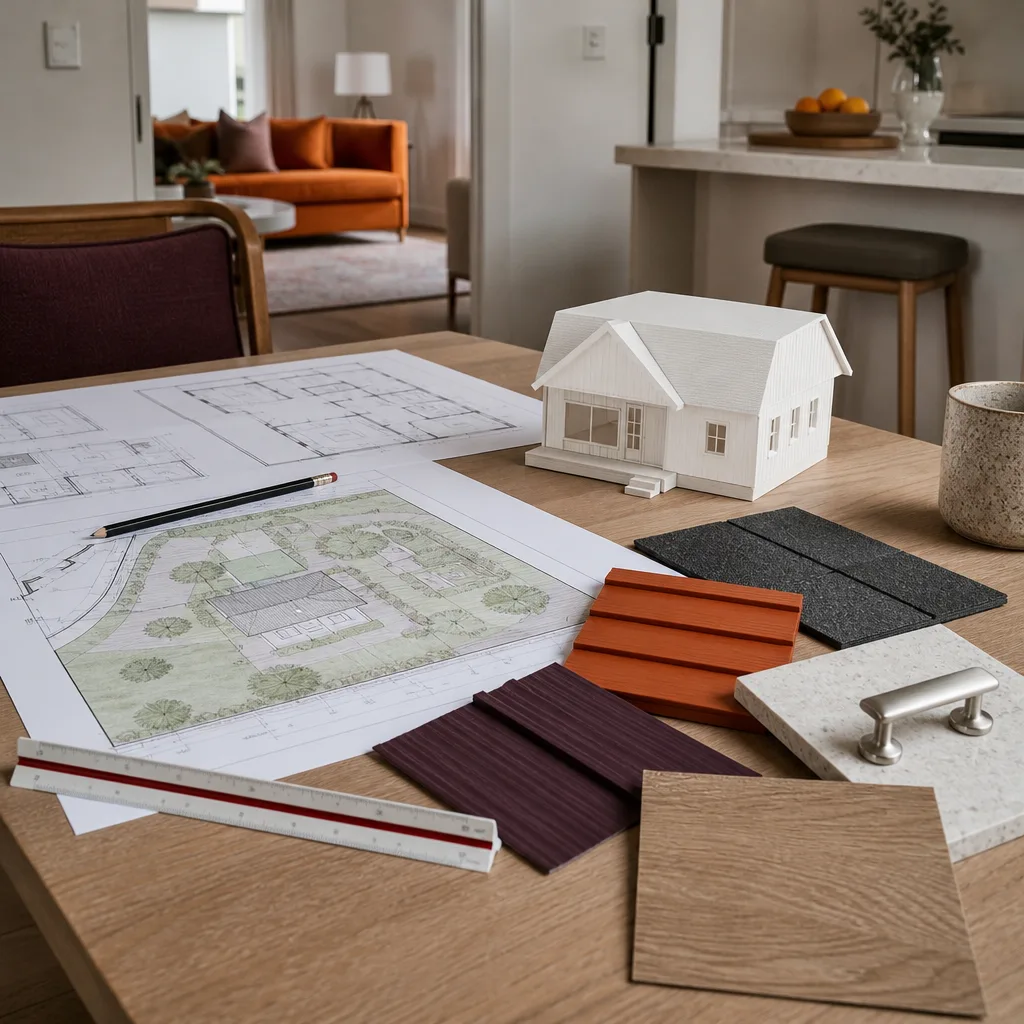
Plant Prefab builds panelized and modular homes across several series, and the site requirements shift with each one. The LivingHome series, including the YB, C6, and custom models, needs a foundation system engineered for the module points and any cantilevered sections. Their panelized ADUs, which Plant Prefab ships flat for on-site assembly, have different tolerances for pad flatness because the panels get squared up on site. What matters for your Houston lot is that we match the site prep to your specific model’s load points and connection locations, not a generic pad.
Compatibility gets specific fast. A Plant Prefab panelized unit might sit fine on a concrete slab with embedded anchors, while a modular drop needs a perimeter foundation with a crawl space or basement depending on your floor plan. If your unit ships with the utility rough-ins pre-installed, your stub-out locations are fixed, and the site work has to meet those coordinates within an inch or two. We verify all of this against your Plant Prefab shop drawings before we ever cut grade. One thing we’ve learned in Houston: always check the soil report against the foundation spec. Expansive clay here can lift a slab if the design didn’t account for it, and repairing that after the modules are set costs five times more than doing it right upfront.
For owners replacing or repairing existing site work on a unit that’s already placed, we match your original utility sizing, whether that’s a 1-inch water service, a 200-amp electrical feed, or a 4-inch sewer line. The OEM-versus-aftermarket decision barely applies to site prep, because Plant Prefab doesn’t manufacture the concrete or the PVC in the ground, but the specs they publish for your model absolutely govern what you install. We follow those specs exactly.
Signs Your Plant Prefab Site Prep & Utilities Is Failing
- Doors and windows start sticking or binding. This usually means the foundation is moving. In Houston, expansive clay swells and shrinks with moisture, and a pad or pier system that wasn’t spec’d for that movement will shift the structure enough to throw off door frames. If your Plant Prefab was set on a slab without proper reinforcement, this shows up within the first two or three seasons.
- Water pressure drops or the meter spins with everything off. A slow leak in the underground service line between the meter and your home is the usual culprit. PVC can crack from ground movement, and older polyethylene lines get brittle after a decade of Houston heat. We’ve seen lines lose 15 to 20 gallons a day before anyone notices the wet spot in the yard.
- Sewer backups with no clog inside the line. When the lateral line settles or gets crushed by shifting soil, waste stops leaving. Trenchless repair sometimes works, but a shifted joint on a 4-inch line under a Houston backyard often needs open trench repair. The symptom is usually a gurgle in the lowest drain, then a backup during heavy use.
- Electrical flicker or a dead circuit that isn’t a tripped breaker. Buried conduit can separate at joints over time, letting water in and causing intermittent shorts. This is more common on older installs where thinner-wall conduit was used. A flicker that worsens after rain is a classic sign of water in the duct.
- Standing water or erosion near the foundation edge. Houston’s rain arrives in sheets, and if your site grading didn’t slope away properly, water collects against the foundation and undermines it over time. French drains, regrading, or both get the water moving the right direction before it eats the pad.
Replacement Cost & What’s Included

For a full site prep and utility package supporting a Plant Prefab unit in the Houston area, expect to pay roughly $18,000 to $45,000. The range is wide because every lot is different. A flat, open lot with the city sewer and water stubs at the property line keeps you near the bottom. A sloped lot, a long driveway for equipment access, tree removal, or a sewer tap that requires a street cut pushes you higher. Electrical service upgrade to 200 amps, if the utility transformer is far away, can add $4,000 to $9,000 on its own.
We give you a written line-item price before any work starts. That price includes excavation, foundation forming and pour or pier installation, all underground plumbing and electrical rough-in, backfill, compaction, grading, and the final hookup connections. It includes permits and the inspections that go with them. It does not include change orders for conditions we couldn’t see underground, but it does mean you’ll know exactly what everything costs before we mobilize. The Kingswell Guarantee applies here: written price first, real arrival window, clean job site, and a written guarantee on every part of the work, with a free return visit if anything fails within the 365-day period.
DIY or Call Us?
Site prep and utility work is not a DIY project. Trenching for a sewer line in Houston means digging down four feet or more, which puts you in the zone where trench collapse becomes a real risk. Gas, water, and electrical work all require permitted work by licensed trades in Texas, and the inspections exist for a reason. We carry the risk so you don’t have to, and we make sure your Plant Prefab arrives to a site that’s ready, not a site that’s going to require a third round of fixes.
What you can do safely is document what you see: take photos of standing water, mark where utilities enter your home, and write down any flicker or pressure symptoms with dates and weather conditions. That helps us diagnose faster when we arrive. If you’re not sure whether an issue is serious, call us at (361) 326-2313 and describe it. We’ll tell you straight whether it needs immediate attention or can wait, and the estimate to look at it is free.
FAQs

A properly engineered foundation and correctly installed utilities should last 50 years or more, with the underground electrical service line typically being the first component to need attention around the 25-to-30-year mark in Houston’s clay soil. We warranty every part of our work in writing through the 365-Day Done Right Promise, and we’ll come back free if something fails inside that window.
Often yes. Pier-and-beam adjustments, slab jacking for minor settlement, sewer line spot repairs, and conduit replacement are all jobs we handle without pulling out a whole foundation. The decision comes down to whether the underlying issue is systemic. If the original pad wasn’t built for Houston’s expansive clay, patching it buys a year or two, but the movement returns. We’ll give you both options with real numbers and let you decide. Call (361) 326-2313 for an exact quote on your situation.
Most full site prep and utility packages for a Plant Prefab unit take two to four weeks from first excavation to final inspection, depending on the scope and the city’s inspection schedule. Repair work like a sewer lateral replacement or an electrical service line swap is usually one to three days. Weather can add days in Houston, and we’ll say so upfront if the forecast looks rough for the week you’re scheduled.
We keep the high-turnover materials on our trucks and in our Houston yard: 1-inch and 1.5-inch polyethylene water service line, 4-inch schedule 40 PVC sewer pipe, standard electrical conduit in common gauges, anchor bolts, and compaction equipment. Specialty items like specific pier systems or oversized electrical feeds get ordered once we’ve matched your Plant Prefab model’s specs, which usually adds two to four days to the schedule.
Written by Russ Delmar, Owner, Lodgewick ADU Houston at Lodgewick ADU Houston, serving Houston and nearby areas.