Tuff Shed New Detached ADU: The Houston Owner’s Guide
If you’re researching a Tuff Shed-based accessory dwelling unit (ADU, meaning a second livable structure on your existing lot) in Houston, you’re likely weighing whether a Tuff Shed conversion or a purpose-built new detached ADU makes more sense for your property. A Tuff Shed new build or conversion in the Houston area typically runs $90,000 to $160,000 all-in depending on size, finishes, and site work, and the honest answer is that most Tuff Shed shells need substantial upgrading to meet Houston’s residential code for a habitable dwelling. We’re Russ Delmar’s team at Lodgewick ADU Houston, and we’ve been through enough of these projects across the Heights, Katy, Sugar Land, and Pearland to tell you exactly what fails, what holds up, and what this actually costs before anyone picks up a hammer.
Key Takeaways
- Installed cost range: $90,000 to $160,000 for a complete Tuff Shed-to-ADU project in Houston, including foundation, insulation, electrical, plumbing, and finishes.
- Tuff Shed’s core product is a storage shell, not a conditioned dwelling – the gap between the two is where most of the budget goes.
- Houston’s climate is the real test: humidity, clay soil movement, and Gulf storms punish shortcuts that would survive fine in a drier climate.
- Every project gets a written price before work starts under The Kingswell Guarantee, and the 365-Day Done Right Promise covers you if the work fails within the guarantee year.
Which Tuff Shed Models This Applies To
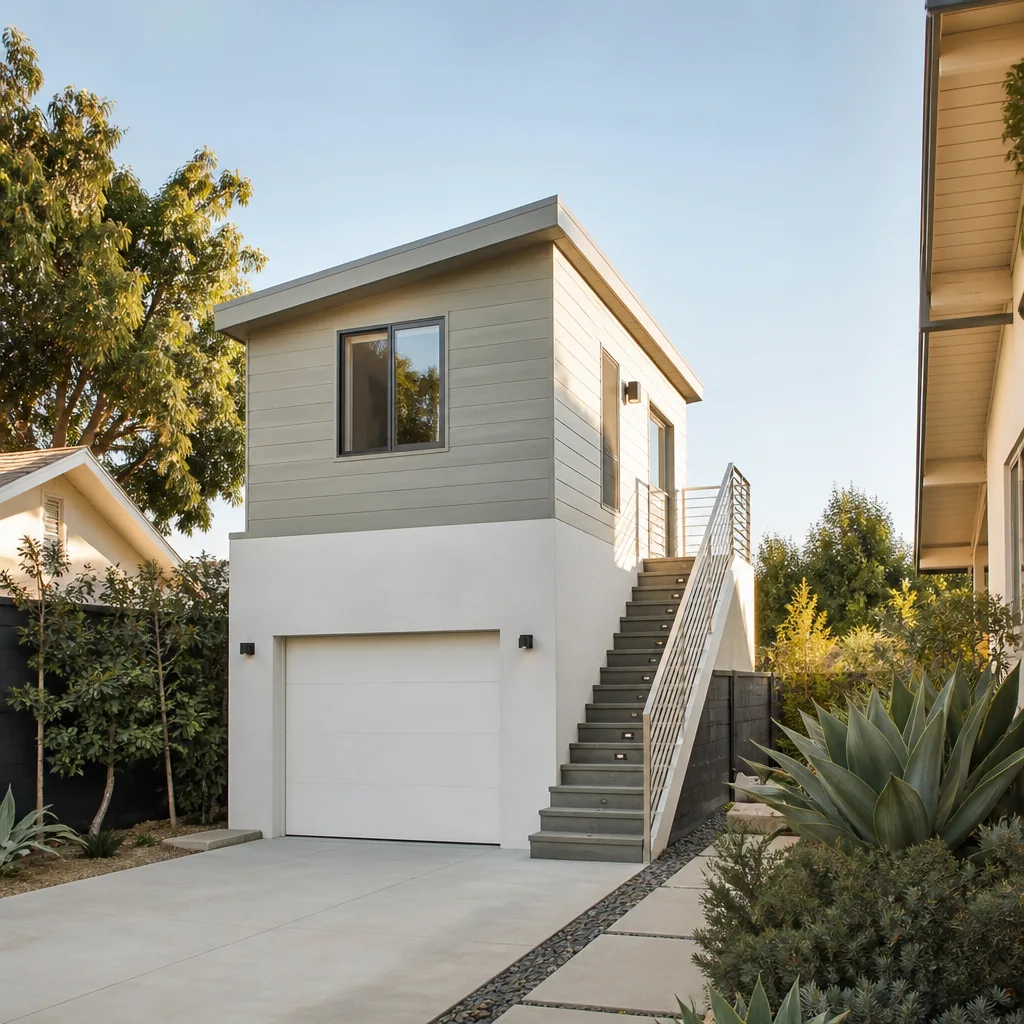
When Houston homeowners come to us with a Tuff Shed plan, they’re usually looking at the Premier PRO series, the Premier Barn, or the Sundance TR-700 – the models with enough wall height and structural framing to make conversion feasible. Here’s the compatibility reality most people don’t learn until they’re mid-project: Tuff Shed frames are engineered for storage loads, not for the insulation, drywall, electrical, and occupancy loads a true ADU carries. The stud spacing, header sizes, and floor system on a stock Tuff Shed often fall short of what Houston’s building code requires for a habitable structure, which means the “bargain” shell ends up needing significant reinforcement.
The model number is on the building permit paperwork or stamped on a metal tag near the door frame. If that tag is gone, measure the on-center stud spacing – many older Tuff Sheds are 24 inches on center, while a proper ADU shell should be 16 inches on center or better to carry the added weight of finished walls. That measurement alone tells us a lot about how much structural retrofitting we’re looking at before the build starts. We work with Tuff Shed products regularly, along with Abodu, Cover, Dvele, Mighty Buildings, Boxabl, Plant Prefab, and James Hardie materials, so we can match the right approach to your specific lot, budget, and timeline.
Signs Your Tuff Shed New Detached ADU Is Failing
If you already have a Tuff Shed conversion or a newer Tuff Shed-based detached ADU on your Houston property and it’s showing problems, here’s what we typically find when we’re called out to look:
- Doors that suddenly stick or won’t latch. Houston’s clay soil expands and contracts with every rain and dry spell, and that movement shifts the structure. A Tuff Shed sitting on a marginal foundation will telegraph that movement through the door frames first. The fix often means foundation work, not door adjustment.
- Soft spots in the floor near the entry or bathroom areas. This usually means moisture is getting under the structure. Tuff Shed’s standard floor systems are rated for storage – not for the daily moisture load of a shower, sink, and Houston’s 90-degree summer humidity cooking the crawlspace.
- Mold or mildew smell that won’t go away. This is a ventilation and insulation problem. A stock Tuff Shed shell has no real vapor barrier strategy, and once you seal it up for air conditioning, Houston humidity gets trapped in the walls. We’ve opened up walls in older conversions and found framing that looks like it’s been in a rain forest.
- Wall cracks, especially at the corners or above windows. Small cracks are often just settling, but cracks that widen seasonally are telling you the structure is flexing more than it should. The Houston freeze-thaw cycle from the last few winters has been particularly hard on shallow-foundation structures.
- Electricity tripping breakers or lights flickering during rain events. Many Tuff Shed conversions we’ve inspected in the Houston area had electrical work done without proper weatherproofing for our climate. Water intrusion into conduit and junction boxes is a common problem when the original shed wiring was never intended for habitable use.
Replacement Cost & What’s Included
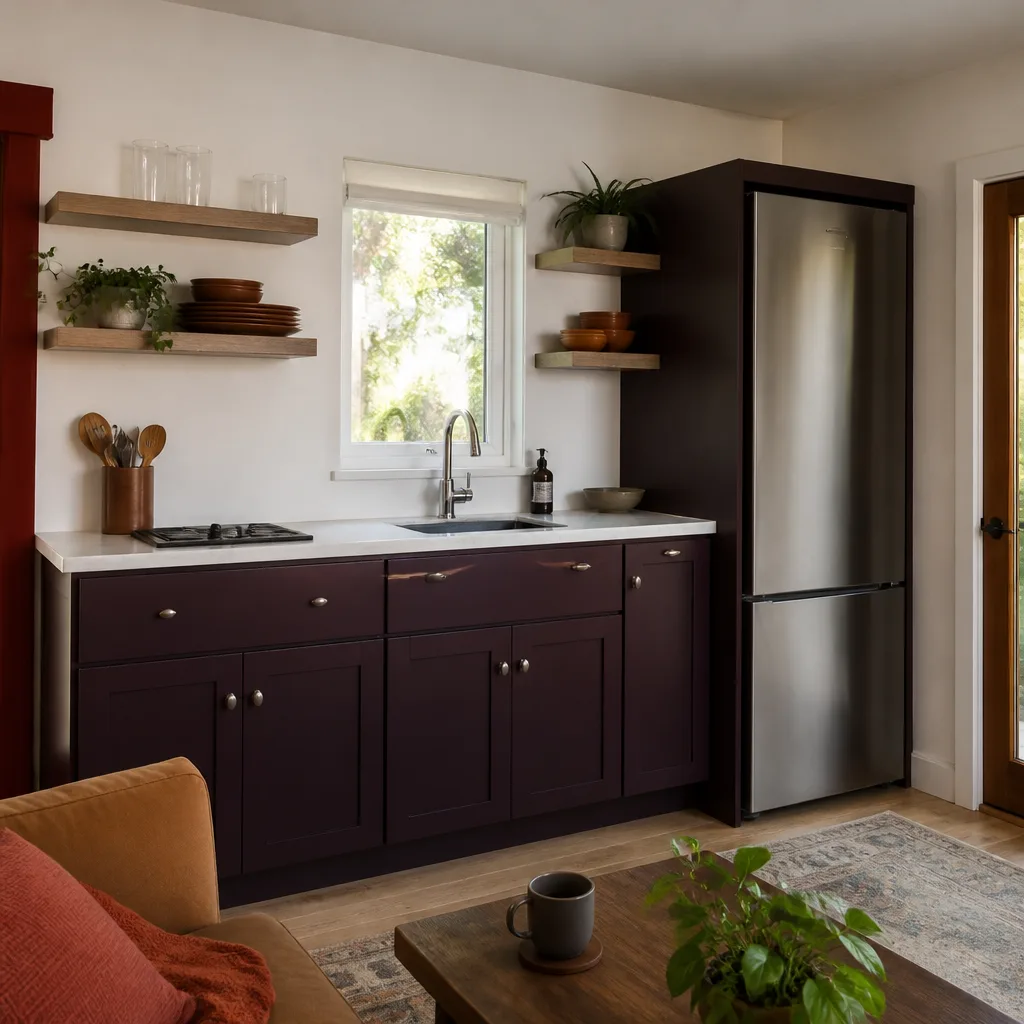
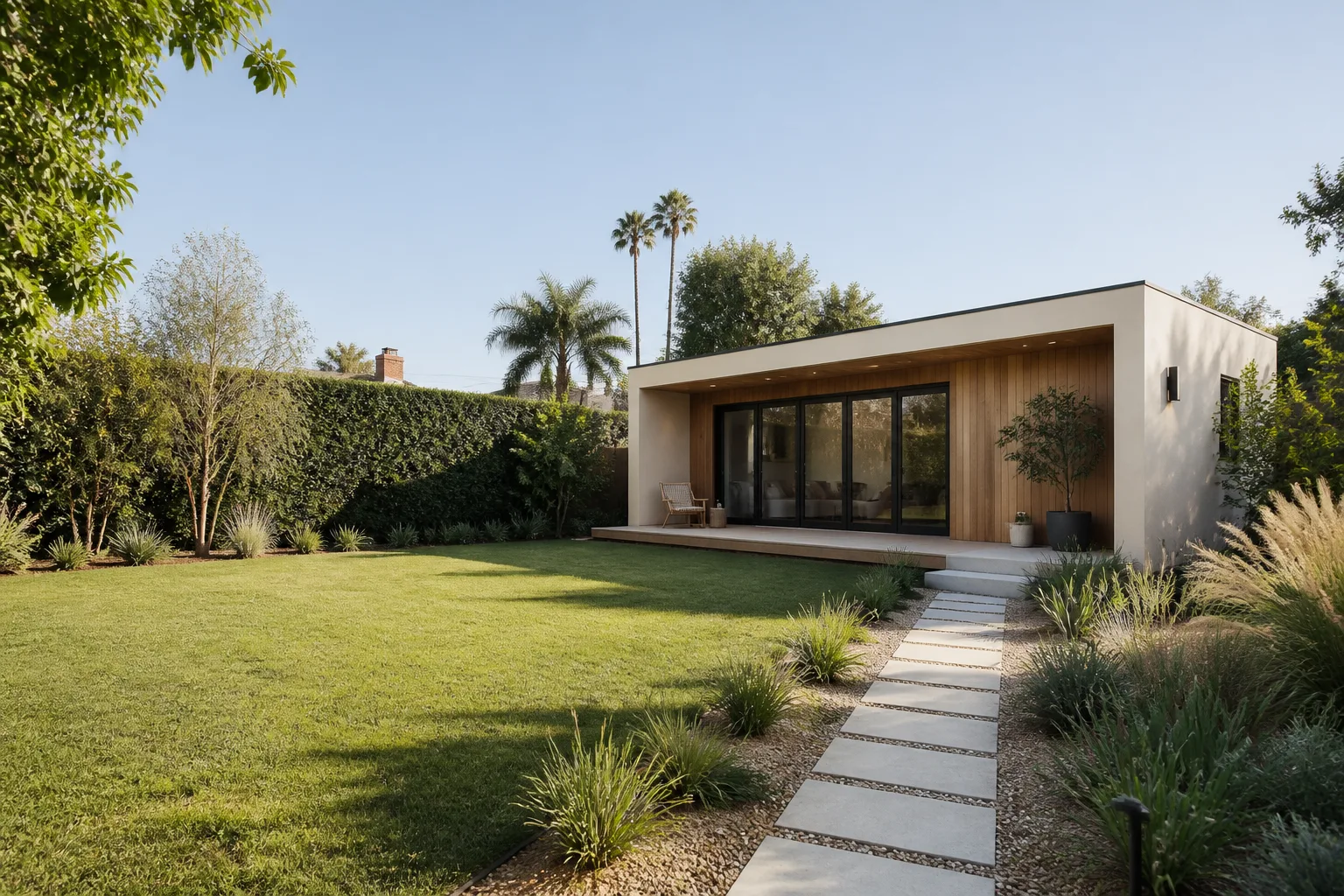
For Houston homeowners, a complete new detached ADU built properly from the ground up typically runs $90,000 to $160,000. That range covers everything: foundation, framing, insulation, drywall, electrical, plumbing, HVAC (a mini-split is standard for Houston’s climate), flooring, fixtures, and finishes. Where you land in that range depends on square footage, finish level, and what your lot demands – the soil conditions in Katy and Cypress often require deeper piers, while a Heights lot with mature trees may need root-aware foundation design.
If the question is whether to repair a failing Tuff Shed conversion or start fresh with a new detached ADU, the math usually favors starting fresh once failures are widespread. Patching structural issues, replacing moisture-damaged framing, and retrofitting electrical can quickly run $40,000 to $60,000 – and you still have the compromises baked into the original shell. When we price a job, you get a written line-item quote before any work starts, and that price doesn’t change at the door. Every project includes the 365-Day Done Right Promise in writing: if the work isn’t right within the first year, we come back and make it right at no charge.
DIY or Call Us?
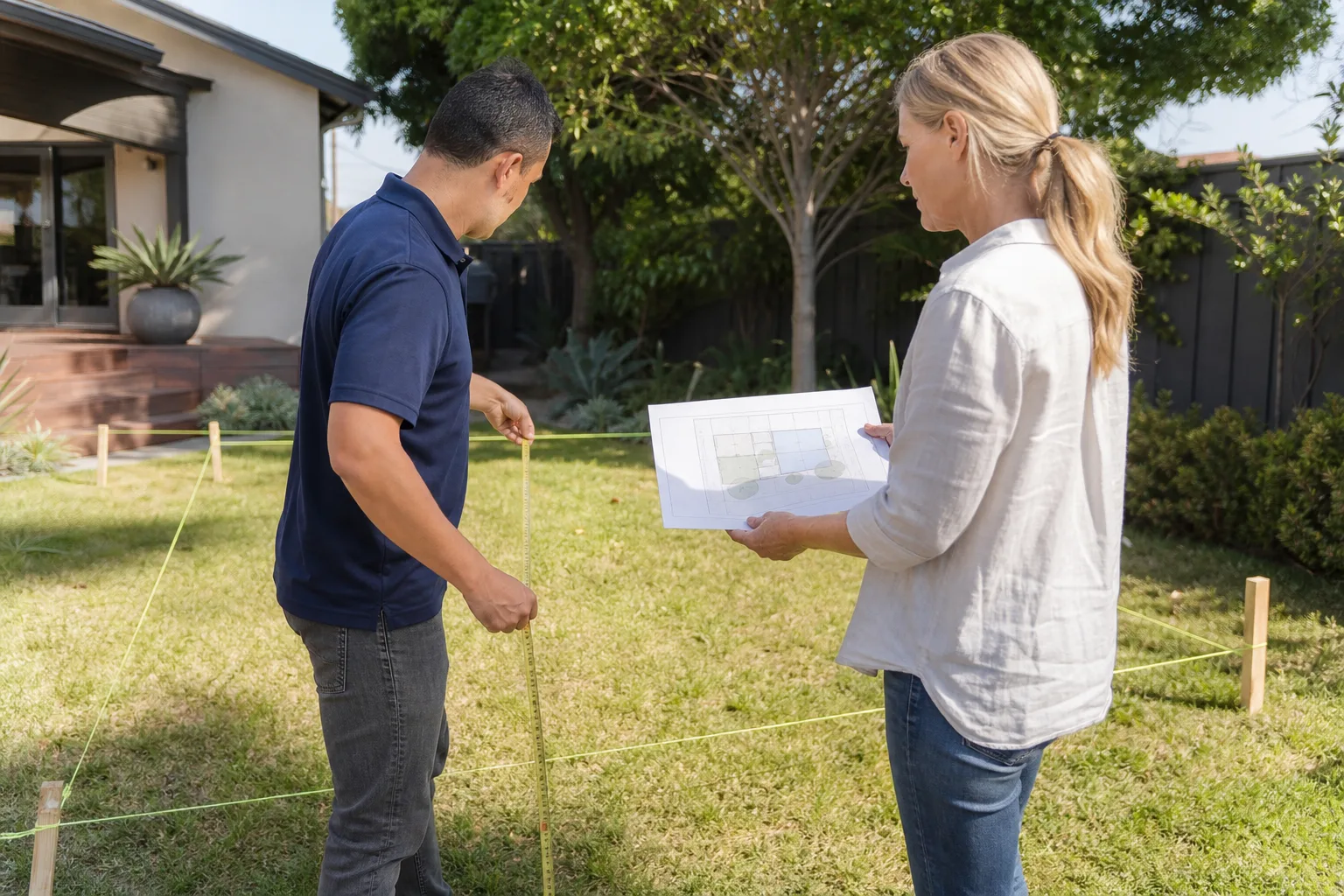
There’s honest DIY territory here, and then there’s territory where you should not be standing with a tool belt. You can absolutely inspect your own structure: check for visible cracks, probe soft spots with a screwdriver, look under the floor system for standing water or termite tubes, and document what you find. That information helps us give you a faster, more accurate assessment when you call.
Where DIY goes wrong is structural repair, foundation work, and anything involving electrical or plumbing that’s been compromised. A sagging floor might look like a simple joist replacement until you’re underneath it and realize the entire rim joist is rotted and the floor system was under-built from day one. And any electrical work on a habitable structure in Houston requires permits and licensed work – not because we want to sell you the labor, but because a botched wiring job in a conditioned space is a fire risk and an insurance claim waiting to happen. If you’re not sure what you’re looking at, call the office at (361) 326-2313 and describe what you see. We’ll tell you honestly whether it’s a watch-it situation or a fix-it-now situation.
How much does a new detached ADU cost in Houston?
A new detached ADU in Houston generally costs between $90,000 and $160,000 depending on size, finishes, and the foundation conditions on your specific lot, and that includes everything from permits to final paint. Smaller, straightforward units sit at the lower end of that range, while larger units with nicer finishes, kitchens, and custom cabinetry run toward the upper end. Call (361) 326-2313 for a written, line-item quote on your specific project – it’s free and it’s the number we’ll hold to.
Is it better to convert a Tuff Shed or build a new ADU from scratch?
In most Houston cases, building a new detached ADU from scratch costs less per square foot of livable space and gives you a structurally sound home rather than a storage building retrofitted to act like one. The premium you pay for a Tuff Shed shell often evaporates once you add insulation, moisture protection, structural reinforcement, and the systems required for habitation. If you already own a Tuff Shed and want to see if it can work, call us – we’ll give you an honest assessment of what conversion would require. Here’s the straight version: tell me what you need the space to do, and I’ll tell you exactly what it takes to get there.
How long does a new detached ADU build take in Houston?
A standard new detached ADU build in Houston typically takes 4 to 7 months from permitting to final inspection, with foundation work, framing, rough-in, and finishes each having their own timeline and inspection checkpoints. The schedule depends on city permitting speed and weather – Houston rain can pause foundation work, and the permitting office in the city of Houston proper currently runs slower than many of the surrounding municipalities. When we start your project, you get a written schedule along with your written price, and we hold ourselves to both.
Does Lodgewick ADU Houston work with Tuff Shed products?
Yes, we have hands-on familiarity with Tuff Shed products, including their Premier PRO and Sundance series, and we regularly evaluate whether a Tuff Shed shell can serve as a viable starting point for an accessory dwelling unit. We’re an independent Houston ADU builder, not affiliated with Tuff Shed, so our assessment of your shell is honest – if it can work, we’ll tell you. If it can’t, we’ll tell you that too, and we’ll show you what a properly built unit would cost instead. Call (361) 326-2313 and we’ll come look at what you’ve got.
Written by Russ Delmar, Owner, Lodgewick ADU Houston, serving Houston and nearby areas since 2010.