Tuff Shed Site Prep & Utilities: The Houston Owner’s Guide
Site prep and utilities for a Tuff Shed in Houston typically runs $1,800 to $6,500 installed, depending on whether you need a gravel pad, a concrete slab, or full electrical rough-in. We stock the common Tuff Shed-compatible site prep materials and utility components on our trucks, and we can usually assess your lot, confirm scope, and get your shed properly anchored within one to two weeks of the written estimate. The way most Houston owners discover their site prep failed is simple: a door that suddenly sticks after a spring rain, a shed that’s drifted a half-inch off level, or a breaker that trips every time the shed light comes on. All three trace back to the same root cause in this city: clay soil that expands and contracts more than most sheds were ever designed to withstand.
Key Takeaways
- Houston’s expansive clay soil is the leading cause of Tuff Shed site prep failure: pads settle, anchors loosen, and utility lines shift
- Typical installed site prep and utilities range from $1,800 (gravel pad + basic anchor system) to $6,500 (concrete slab + electrical subpanel + water line)
- We’re an independent service provider, not affiliated with Tuff Shed; we work on all Tuff Shed models and use both OEM and quality aftermarket materials
- Every job includes a written price before work starts, a defined arrival window, and a written guarantee under the 365-Day Done Right Promise
Which Tuff Shed Models This Applies To
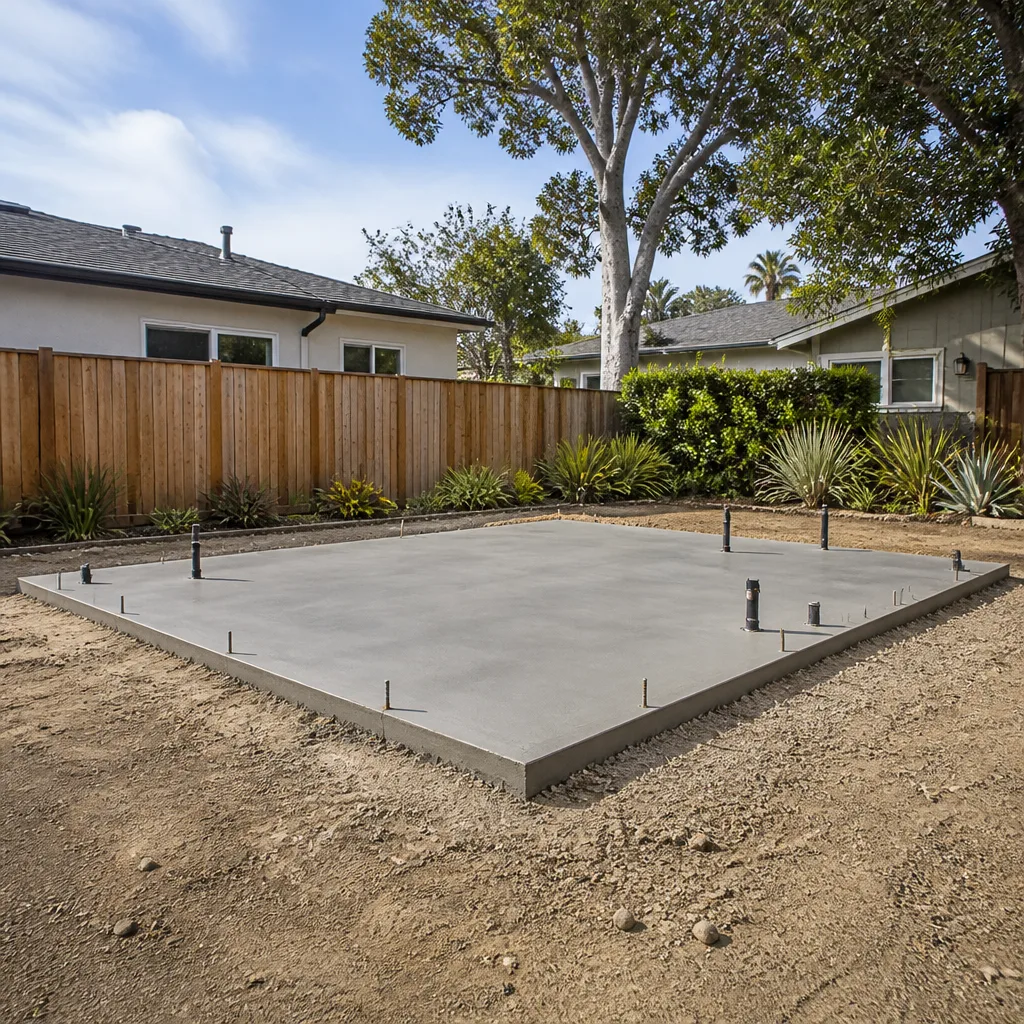
Site prep and utilities apply to every Tuff Shed line we see in Houston, but the failure patterns differ by series. The Premier PRO series (the ones with 2×4 wall framing and a higher roof pitch) tends to be more forgiving of minor pad settling because the framing carries load more evenly. The Sundance and Ranch series, which use lighter-gauge wall framing and wider panel spans, show settling problems much faster, especially when the shed sits on a pad that was poured thinner than 4 inches. Here’s the compatibility gotcha most owners don’t know: Tuff Shed’s warranty and its anchor specs assume a level, code-compliant foundation. If your shed was delivered and placed on an existing patio or an old slab that wasn’t poured to Tuff Shed’s current foundation spec, the anchoring system may have been skipped entirely or improvised with the wrong hardware. We regularly find sheds in neighborhoods like Meyerland and Spring Branch sitting on slabs with no anchor bolts at all because the original owner wanted to avoid the cost of a new pad.
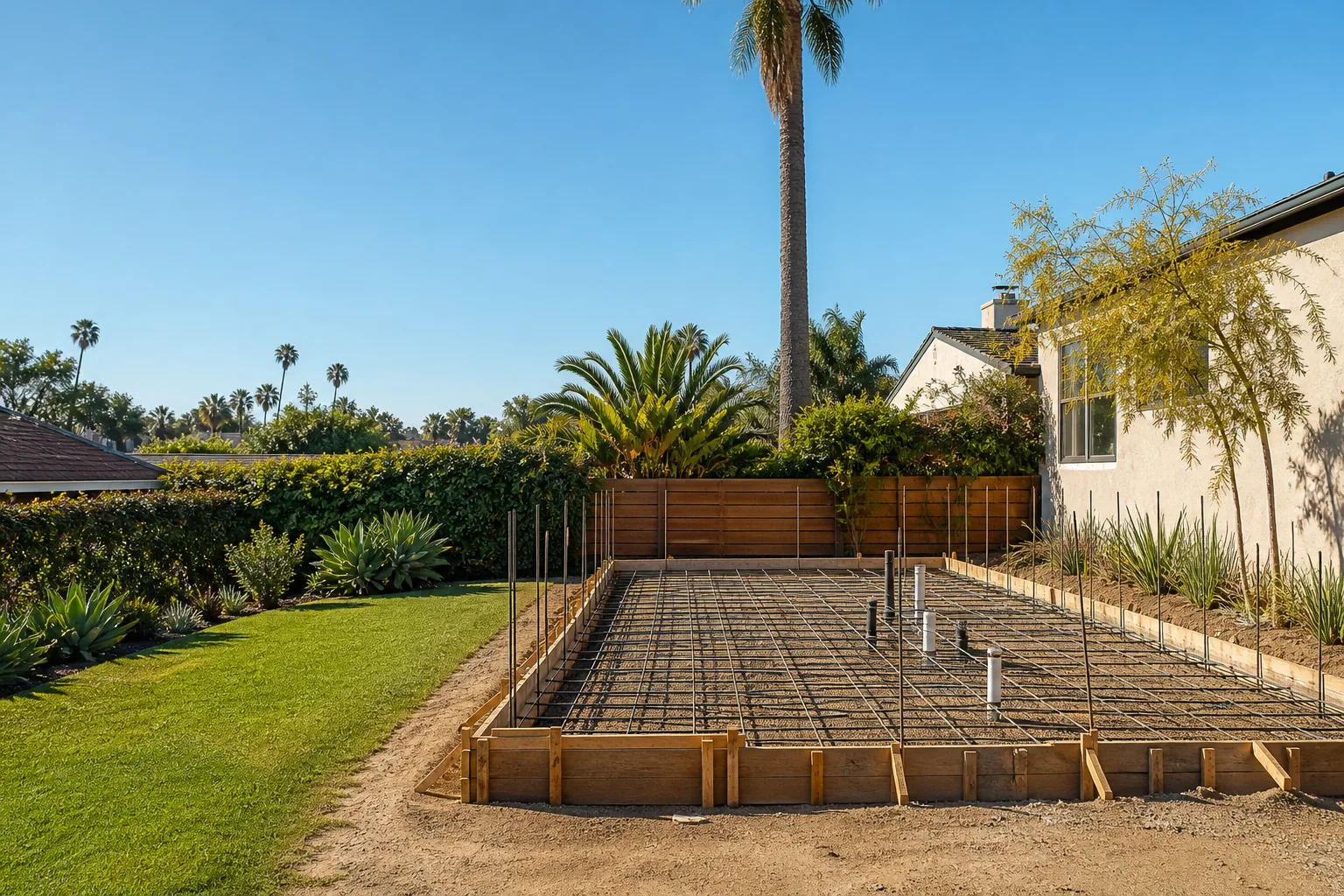
When we come out, we identify the proper site prep by checking two things: the shed’s overall footprint and height, and the type of ground contact the shed currently has. For sheds up to 120 square feet with no utilities, a properly compacted gravel pad with a treated lumber perimeter frame is often sufficient and is what we recommend for most backyard storage builds in the $1,800 to $2,600 range. For anything over 120 square feet, or any shed that will have electrical service, a reinforced 4-inch concrete slab with anchor bolts placed to Tuff Shed’s spacing requirements is the right call. That runs $3,200 to $5,800 in Houston depending on access and how much grading the lot needs.
On the OEM versus aftermarket question: for electrical components (breaker boxes, conduit, weatherproof outlets), we use quality aftermarket materials from supply houses here in Houston, because the parts are standardized and the warranties are typically better than what ships with the shed kit. For anchoring hardware specifically, we stock both the OEM Tuff Shed anchor brackets and a heavier aftermarket alternative that holds up better in Houston’s clay, because the OEM anchors are sized for generic soil conditions and we’ve seen too many of them pull loose after two or three wet-dry cycles.
Signs Your Tuff Shed Site Prep & Utilities Is Failing
- Door or window binding that gets worse after rain. When the pad settles unevenly, the shed frame twists just enough to make doors stick or windows hard to open. This is the earliest warning sign and it almost always traces back to clay soil expanding on one side of the foundation.
- Visible gaps under the shed’s floor joists or skids. In Houston’s gumbo clay, a shed placed on a thin pad or on blocks can develop a half-inch to two-inch gap under one corner within two years. The air gap invites moisture, which accelerates floor rot and attracts pests.
- Breaker trips when you use anything beyond a basic light. If your shed was wired with a single 15-amp circuit running off a tapped line from the house, running a small compressor or a space heater can trip the breaker. This signals the utility setup was under-specified for how you actually use the shed.
- Standing water around the shed base after a normal Houston downpour. Proper site prep includes grading that moves water away from the foundation. If water pools around the bottom plate after typical Gulf rain, the pad or the drainage plan is already failing, even if the shed interior still looks dry.
- Musty smell or rust on stored tools inside a closed shed. Houston humidity plus a pad that sits low or lacks a vapor barrier means condensation collects inside the shed. That moisture attack is a site prep problem, not a defect in the shed itself, and it accelerates rust and rot every month it goes unaddressed.
Replacement Cost & What’s Included
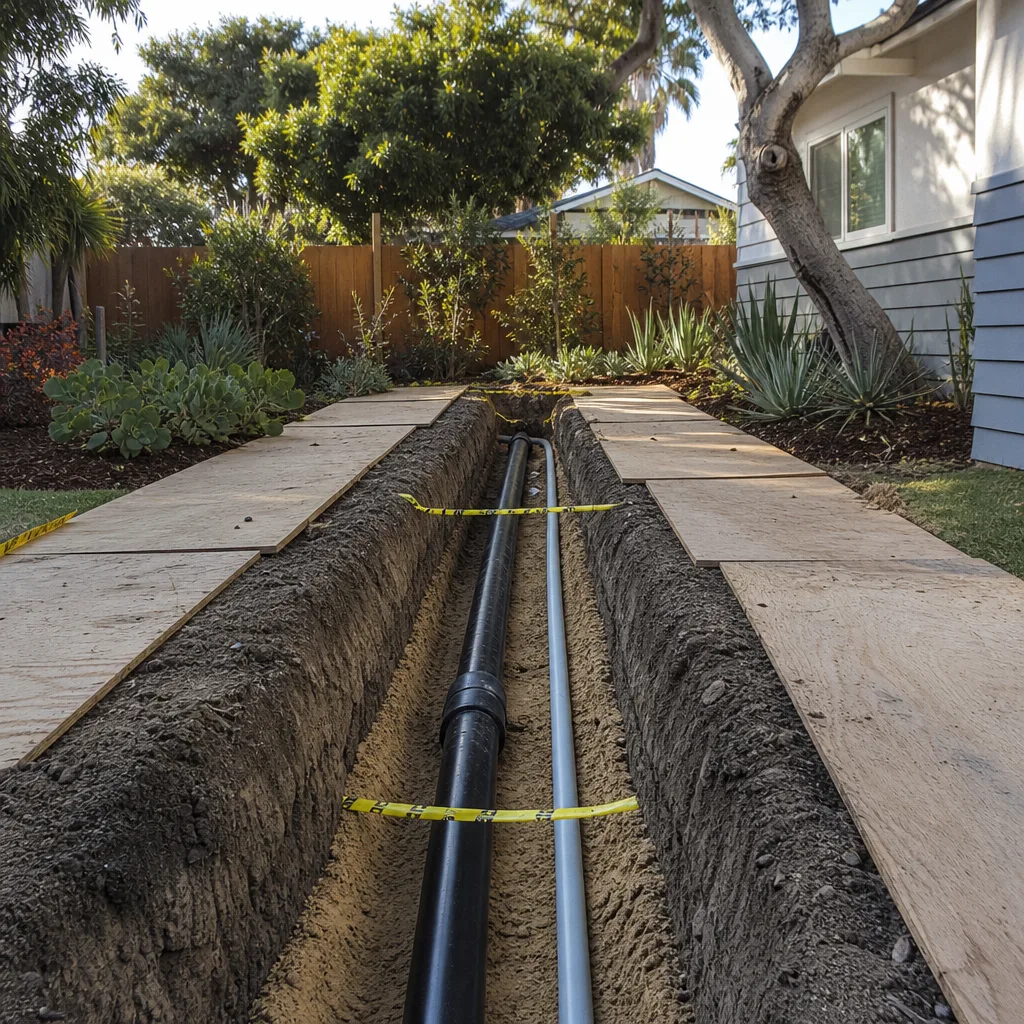
In Houston, you’re looking at real numbers before anyone steps on your property. A gravel or crushed granite pad with treated lumber perimeter and proper compaction runs $1,800 to $2,600 for a standard 8×10 or 10×12 Tuff Shed. A 4-inch reinforced concrete slab with anchor bolts runs $3,200 to $4,800 for the same footprint. Adding electrical service, whether it’s a simple subpanel with two circuits or a full rough-in with a weatherproof exterior outlet and interior lighting, adds $900 to $1,700 depending on the run distance from your main panel. If we’re correcting a failed pad (demo of the old one, regrading, new pad), add $800 to $1,500 to those numbers.
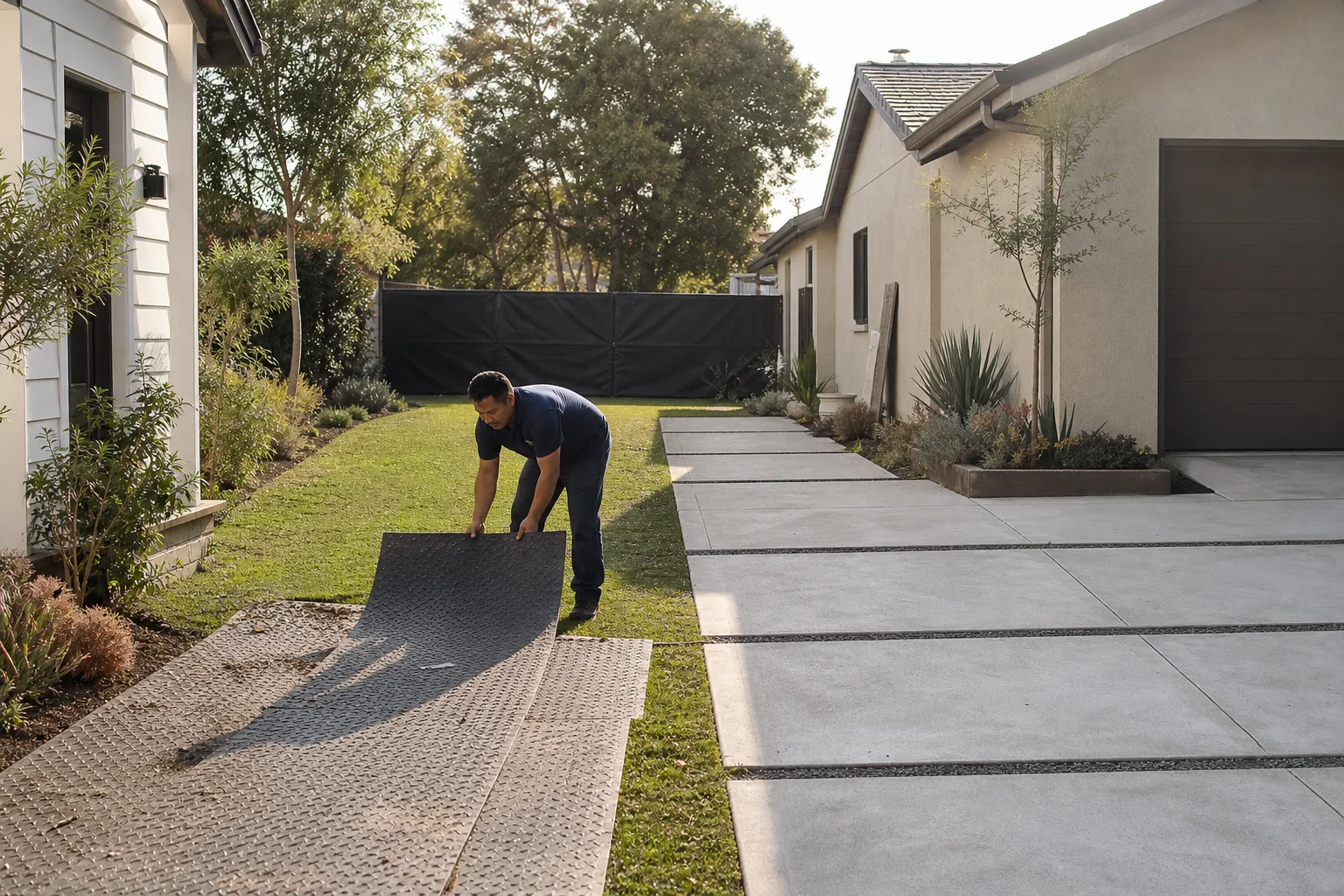
What drives the range: access to the backyard, the amount of grading required, whether we need to trench through hardpan or tree roots, and how far the shed sits from your electrical panel. We give you a written price before any work starts, no change orders at the door, and the written guarantee covers the site prep and utility work for a full year under the 365-Day Done Right Promise. If the pad settles or the electrical develops a problem within that year, we come back and make it right at no charge.
DIY or Call Us?
Here’s the honest split. You can safely check a few things yourself: look for visible gaps under the shed floor, test whether the doors bind, and check for water pooling around the base after a hard rain. That tells you the problem exists. What you should not do yourself is attempt to re-level a shed by jacking it up and shimming underneath, particularly on a heavier Premier PRO model. A shed that slips off a jack can come down hard, and the crush injury risk is real. Same goes for electrical: running a circuit to a shed means working inside your home’s main panel, sizing wire correctly for the run length, and meeting Houston’s current code for outdoor subpanels and grounding. That’s not a Saturday project. If the thought of a code inspector or a shifting shed makes you nervous, call us at (361) 326-2313. We’ll tell you exactly what’s wrong and exactly what it costs to fix it, in writing, before you commit to anything.
FAQs
A properly installed gravel pad with good compaction lasts 10 to 15 years in Houston; a properly poured and anchored concrete slab should outlast the shed itself at 30-plus years. The variable is the clay soil and drainage. Pads that weren’t graded to move water away from the foundation often fail within 3 to 5 years in Houston’s wet-dry cycle, not because the work was wrong, but because the water management wasn’t part of the plan. Call (361) 326-2313 if you suspect your pad is failing early; we’ll tell you what’s actually happening.
If the pad has settled less than an inch and there’s no standing water intrusion, we can often repair it by injecting a stabilizing material under the low corner and re-anchoring the shed; that typically runs $600 to $1,100 and takes one day. If the slab is cracked through, the grading is visibly off, or the old pad was poured too thin, replacement is the honest call. Repairs on severely failed pads don’t last in Houston’s clay, and you’ll spend more fighting a losing pad than replacing it once. We’ll show you photos and give you a straight recommendation either way.
A straight gravel pad replacement on an accessible backyard takes one day on site, plus a few days for the base to settle before the shed is re-set. A concrete slab replacement runs two to three days of active work plus a five-to-seven-day curing period before we re-anchor the shed. Electrical rough-in adds half a day to a day depending on trenching. When we write your estimate, we also write the schedule, and we show up in the window we put on paper.
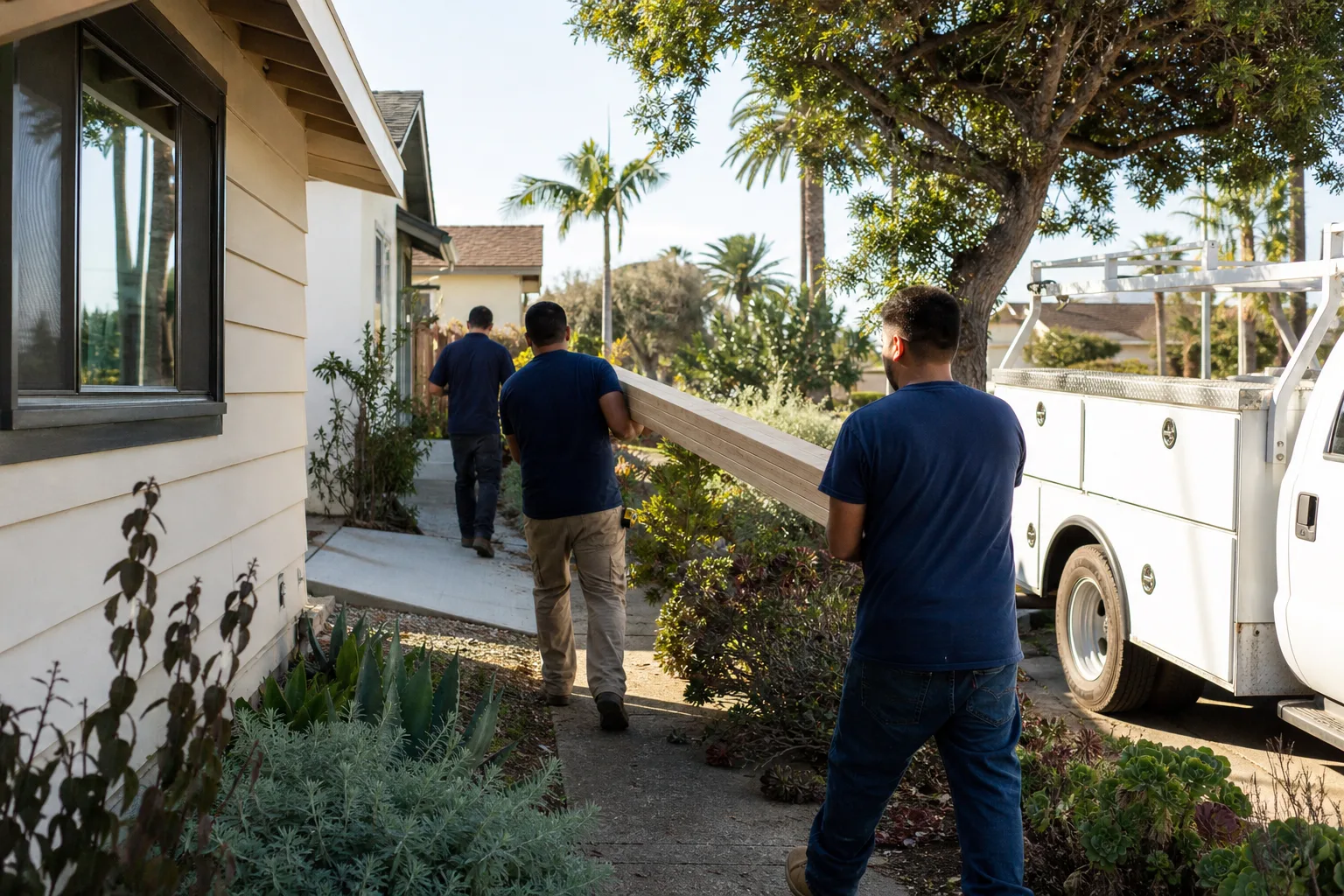
Yes. Our trucks carry the common anchor hardware, treated lumber, conduit, weatherproof boxes, and outdoor-rated breakers for standard Tuff Shed footprints, so most jobs don’t need a second trip to the supply yard. For proprietary components like specific Tuff Shed anchor brackets that we don’t keep in stock, we order them same-day from local Houston suppliers and typically have them within a business day. We also carry materials compatible with other brands we work on regularly, including Abodu, Cover, and Dvele.
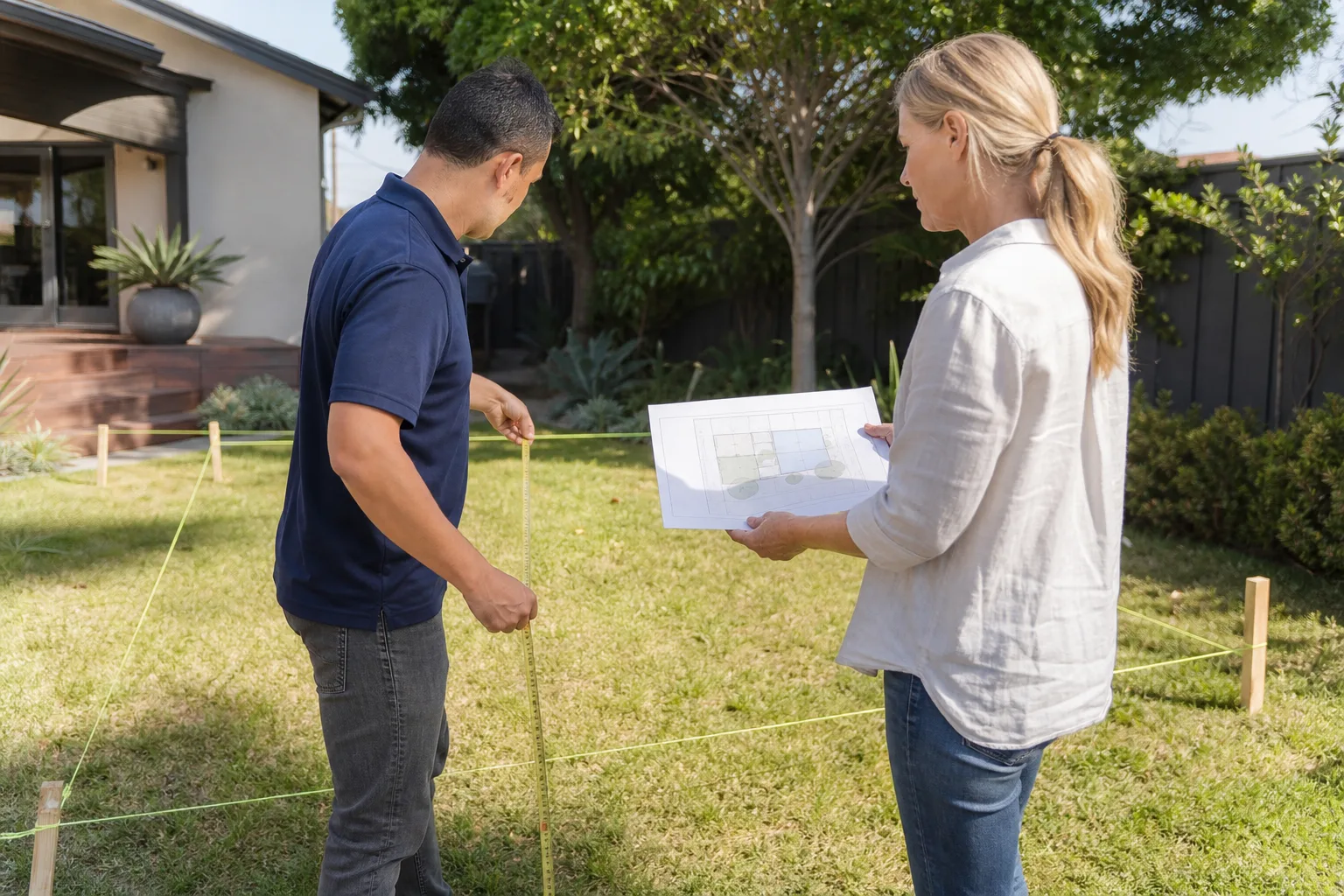
If your Tuff Shed has started drifting, sticking, or tripping breakers, don’t wait for the next Houston gully-washer to make it worse. Call Russ Delmar and the Lodgewick ADU Houston crew at (361) 326-2313 for a free estimate. We’ll walk the lot with you, point out exactly what’s failing and why, and hand you a written price before you spend a dollar. Tell me what you need the space to do, and I’ll tell you exactly what it takes to get there.
Written by Russ Delmar, Owner, Lodgewick ADU Houston at Lodgewick ADU Houston, serving Houston and nearby areas.