Abodu ADU Builders in Houston: What to Know First
Lodgewick ADU Houston provides independent Abodu ADU builders and installation support across Houston, with most detached ADU projects landing between $90,000 and $160,000 depending on size, site prep, and finishes. We’re not affiliated with Abodu, but we’ve built and serviced their units in Houston long enough to know exactly where they shine and where they need extra attention, particularly with our clay soil and Gulf Coast humidity. The honest answer: a well-executed Abodu project in Houston typically takes 4 to 7 months from permit to final inspection, and the price you get in writing before we start is the price you pay.
This page is for Abodu owners and buyers in Houston who want straight answers about installation, site work, repairs, and the real costs of putting an ADU (accessory dwelling unit, meaning a second livable structure on your existing lot) on their property. If you’re researching whether Abodu makes sense for your lot in the Heights, Sugar Land, Katy, or anywhere else around Houston, call Russ and the Lodgewick team at (361) 326-2313 for a free estimate and a written price.
How Abodu Products Fail – and How We Fix Them
- Foundation settlement on Houston clay soil. Houston’s expansive clay shrinks and swells with every wet-dry cycle, and Abodu’s factory-built modules sit on pier or slab foundations that can shift unevenly if the site prep wasn’t done right. We regularly see doors that suddenly stick or small cracks at module seams in neighborhoods like Meyerland and Spring Branch. Our fix: proper soil testing before the foundation goes in, and helical piers or engineered slab reinforcement in problem areas. We’ve corrected several Abodu installations where an original contractor skipped this step.
- HVAC condensate and humidity issues in Abodu units. Abodu’s compact mechanical closets work fine in moderate climates, but Houston’s 90 percent humidity pushes them hard. The most common failure we see is condensate drain lines clogging or the mini-split struggling to keep humidity below 60 percent inside the unit. We fix this by upsizing the condensate line, adding a secondary drain pan with a float switch, and tuning the system for Houston’s dew point rather than the factory default settings.
- Module seam leaks after severe Gulf storms. Abodu’s factory sealing is solid, but Houston’s wind-driven rain finds any weakness at roof and wall module joints. We’ve repaired seam leaks on Abodu Studio and Abodu One units across Houston after major spring storms, and the culprit is usually a failed butyl tape joint or a flashing detail that wasn’t fully seated during original assembly. Our crews re-seal with commercial-grade polyurethane sealant and re-flash the joint properly, then test with a hose before calling it done.
- Electrical panel capacity shortfalls on older Houston lots. Many Houston homes built before 1990 have 100-amp panels, and an Abodu unit with a full kitchen, mini-split, and washer-dryer hookup can push the demand past what the existing service can handle. We see this constantly in older neighborhoods like Montrose and the East End. Our fix: we calculate the actual load before you buy, and if needed, we’ll upgrade the main panel or run a separate feeder to the ADU, pulling all required permits with the City of Houston.
- Site access and crane logistics on tight Houston lots. Abodu modules arrive on a truck and get set with a crane, which sounds simple until you’re dealing with a 25-foot-wide lot in the Heights with mature live oaks and power lines overhead. We’ve done enough Abodu sets in Houston to know which streets need a traffic control plan, which lots need a smaller crane, and when you need to coordinate with CenterPoint to drop a line. Poor crane planning adds days and sometimes thousands in re-mobilization fees; we handle that before the module ever leaves the factory.
Our Abodu ADU Builders Process
- 1
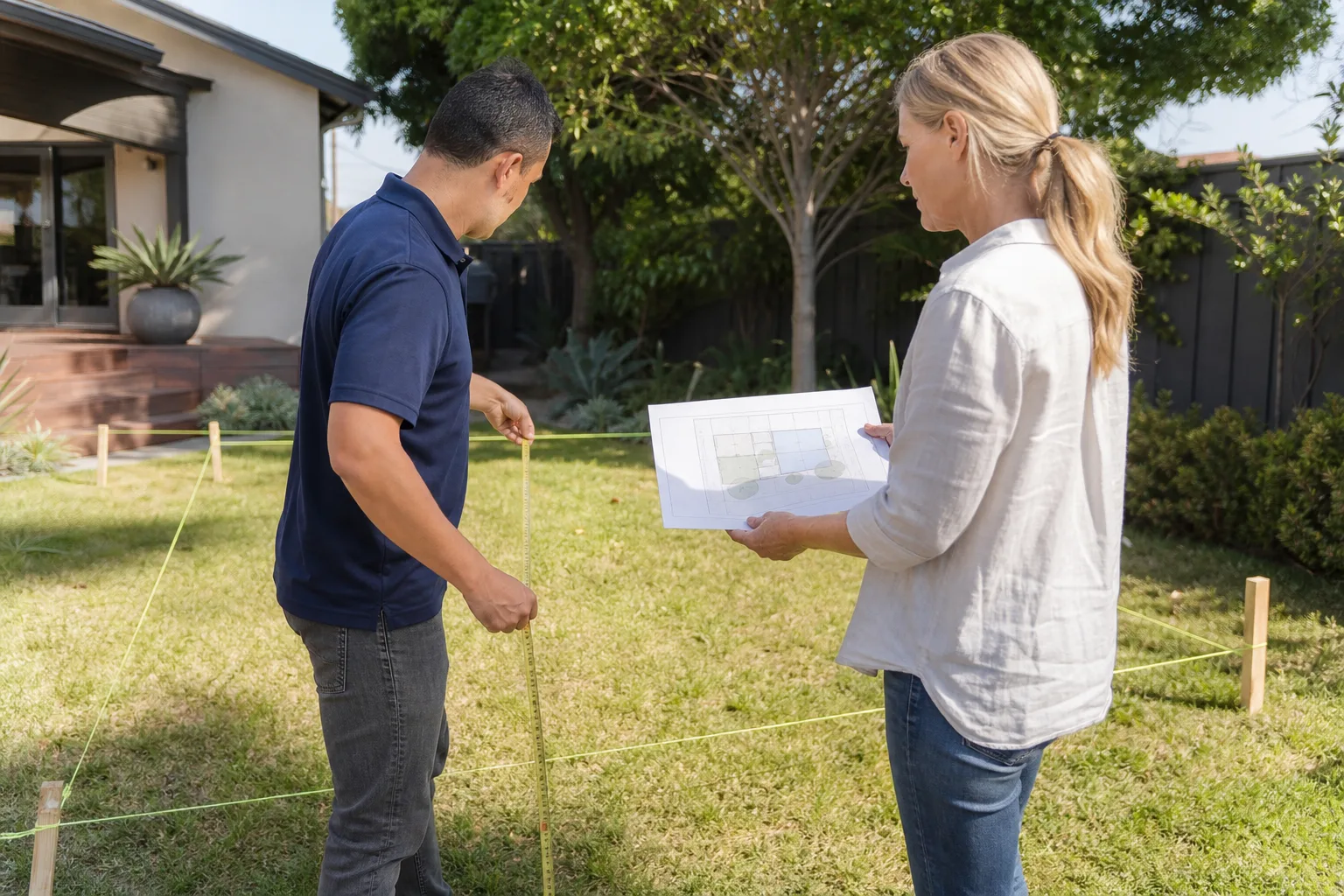
Call and site walk. We start with a phone call, then Russ or a senior lead walks your Houston lot with you. We measure access, check soil conditions, look at your panel, and talk through what you actually need the space to do. This is where Russ usually says it: “Tell me what you need the space to do, and I’ll tell you exactly what it takes to get there.”
- 2
Written price and scope. Before any work starts, you get a written price with a line-by-line scope covering site prep, foundation, utility connections, crane logistics, and finish work. No change orders at the door. The written guarantee comes with it, and it names the 365-Day Done Right Promise by name.
- 3
Permits and site prep. We pull all required City of Houston permits and handle the foundation work ourselves. That means soil testing first, then piers or slab per the engineer’s spec. We’ve seen too many Abodu units set on under-built foundations, so we don’t skip this step.
- 4
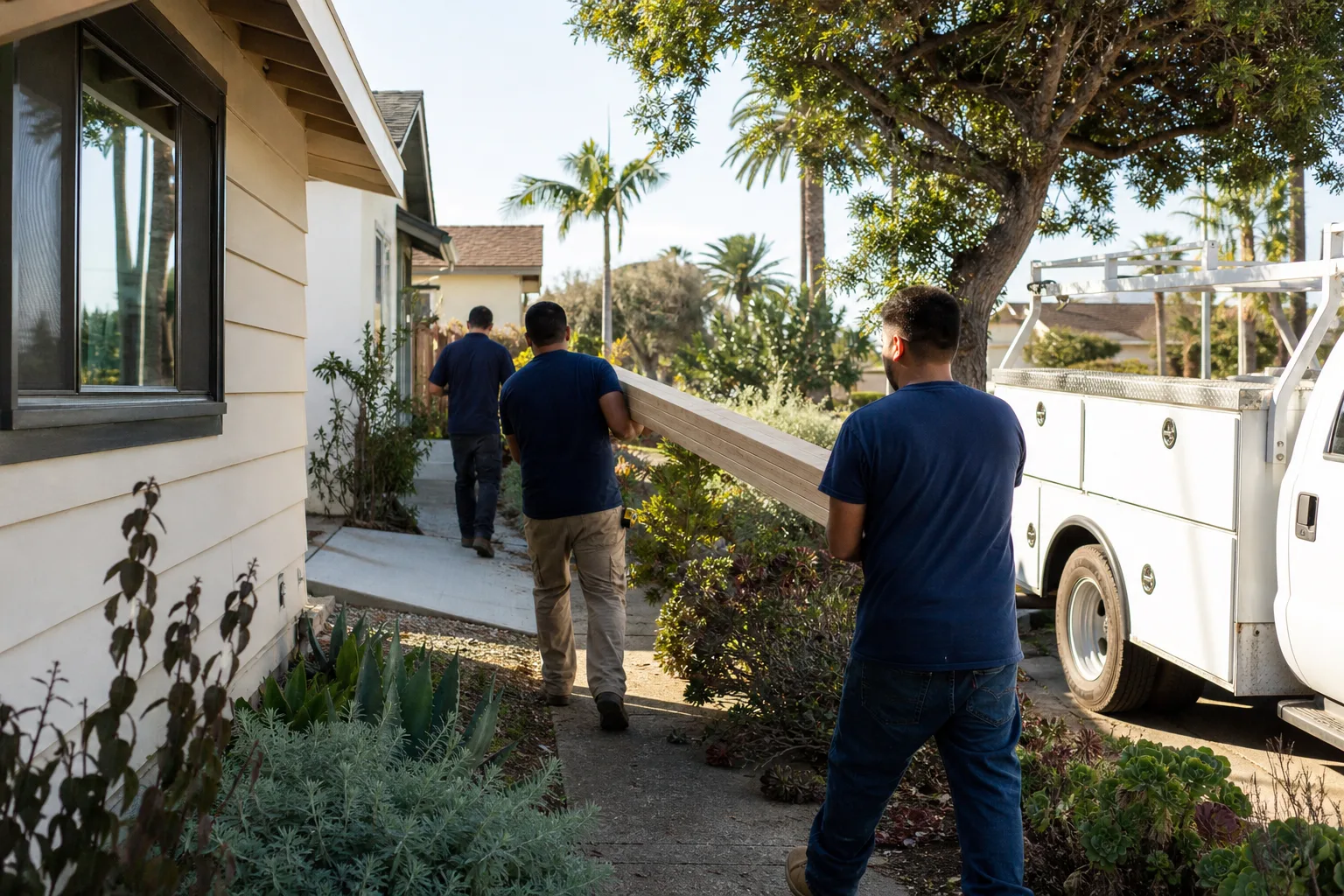
Module set and assembly. We coordinate the craning and placement with the Abodu delivery team, then handle all connection work: electrical, plumbing, HVAC, and the module seam sealing that Houston’s weather demands.
- 5
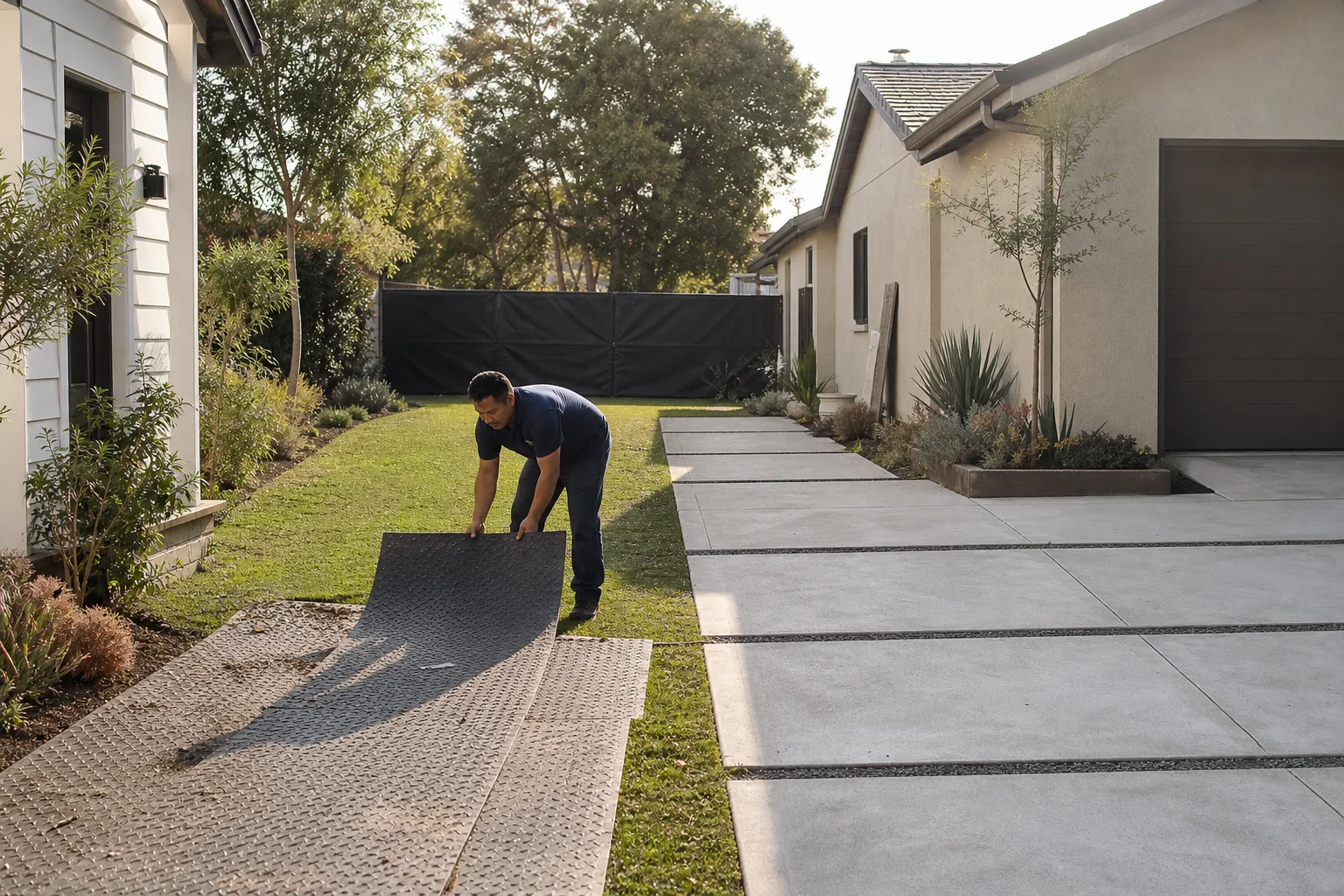
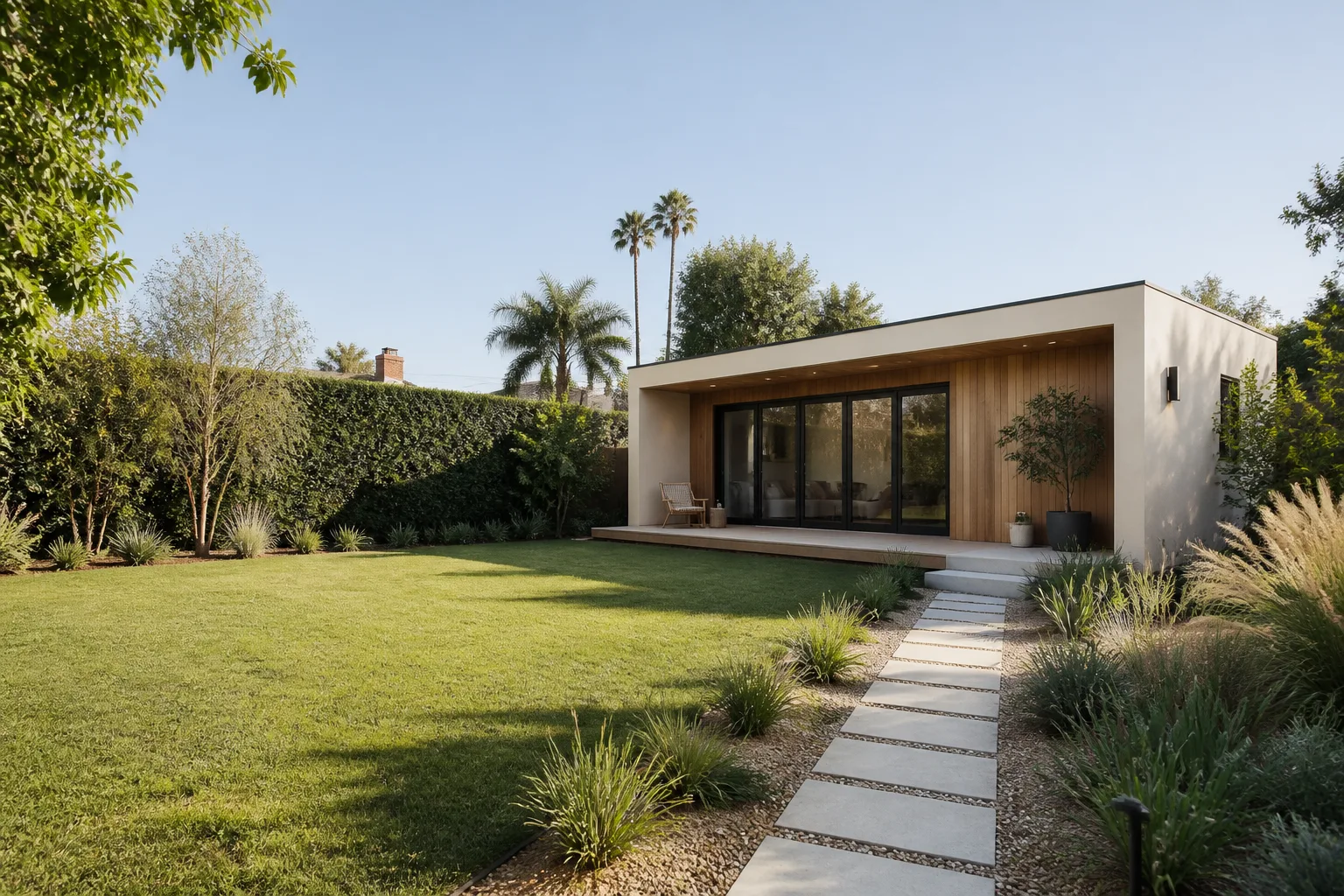
Finish work and inspection. We complete interior finishes, exterior trim, and any site work like walkways or landscaping repair. Then we walk the unit with you, run every system, and make sure the City of Houston inspector signs off.
- 6
Written guarantee and handover. You get the written guarantee in hand before you write the final check. If anything fails within 365 days, we come back and fix it. Free return visit, no fine print. That’s the whole point of the Done Right Promise.
What Abodu ADU Builders Costs in Houston
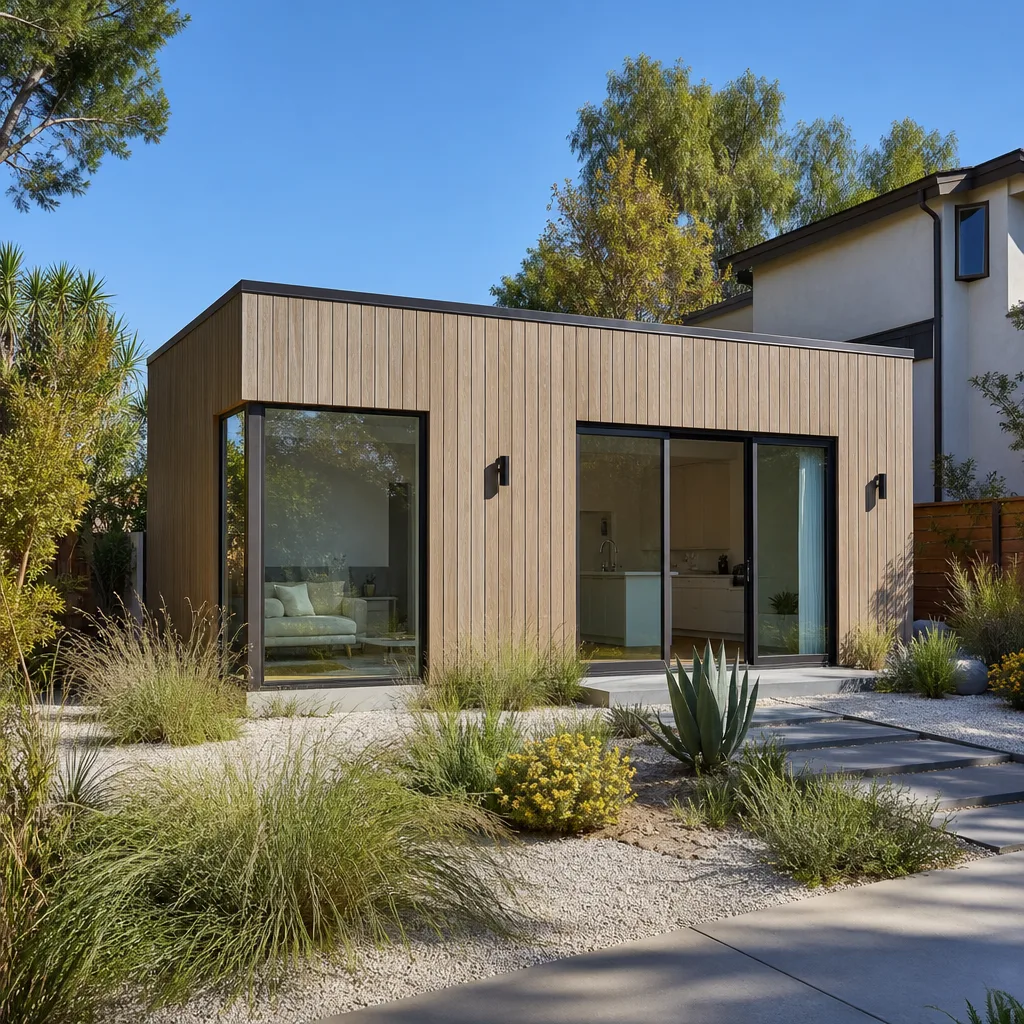
Here’s what we tell Houston homeowners to budget for a complete Abodu project with Lodgewick ADU Houston:
- Abodu Studio (under 400 sq ft): $90,000 to $120,000 installed, including foundation, utilities, permits, and basic finishes.
- Abodu One (400 to 600 sq ft): $120,000 to $160,000 depending on kitchen package, bath finishes, and site complexity.
- Abodu Two or multi-module configurations: $160,000 to $250,000, with custom site work and longer crane times driving the upper end.
What moves the price in Houston: clay soil remediation (helical piers can add $8,000 to $20,000), electrical panel upgrades ($3,000 to $6,000), and crane access difficulties on tight lots. We give you the written price before work starts, so you’ll never get surprised by these line items halfway through. Call (361) 326-2313 for an exact quote, free of charge.
Why Houston Homeowners Call Lodgewick ADU Houston for Abodu Work
We’re not a faceless installer. Lodgewick ADU Houston is part of the Kingswell family of home-service companies, founded in 2010, and we operate under The Kingswell Guarantee on every single project. That means a written price before work begins, a defined arrival window, a clean job site, and a written guarantee on every job. If the work fails within 365 days, we come back and make it right. That’s the 365-Day Done Right Promise, and it’s in writing, not a verbal handshake.
Our crews are background-checked and uniformed, so you know exactly who’s on your Houston property. We answer the phone with a live person 24 hours a day. And because we work with other established ADU brands like Cover and Dvele too, we can give you honest advice if Abodu isn’t the right fit for your lot. Russ Delmar and our Houston team have been doing this work from the Heights to Katy for years, through enough Gulf storms to know which decisions matter and which ones don’t. When it comes to Abodu, we’d rather you know the truth before you buy than find out the hard way after the crane leaves.
FAQs
No. As an independent Abodu service provider, we’re not part of the Abodu warranty system, but our work never voids your manufacturer’s coverage because we follow Abodu’s installation specs and only make modifications that are code-compliant and manufacturer-neutral. The 365-Day Done Right Promise covers our work separately, so you have two layers of protection: Abodu’s factory warranty on the modules and our written guarantee on the installation.
A typical Abodu project in Houston takes 4 to 7 months from permit application to final inspection, with the factory build and on-site work each taking roughly half that timeline. The variable in Houston is almost always the foundation: clay soil testing and pier installation can add 3 to 6 weeks depending on your lot’s conditions. Call (361) 326-2313 and we’ll give you a realistic schedule for your specific property.
Yes, and this is some of the most common work we do in Houston. We’ve corrected foundation settlement, seam leaks, undersized electrical service, and humidity problems on Abodu units installed by other contractors. We’ll inspect the unit, name the exact problems in writing, and give you a fixed price to make it right. If it’s within our 365-day guarantee period from a Lodgewick installation, the return visit is free.
A JADU (junior accessory dwelling unit) is a smaller living space, typically under 500 square feet, often converted from an existing room or attached garage. A full ADU is a separate structure with its own kitchen, bath, and entrance. Abodu’s models are almost always full detached ADUs, which means they trigger full City of Houston permitting. We handle both, but an Abodu build is a ground-up project on your lot, not a room conversion.
Yes, we pull all required City of Houston permits and coordinate all inspections as part of the written price. That includes foundation, electrical, plumbing, and mechanical permits. No homeowner should ever pay for an unpermitted ADU in Houston; it creates problems when you sell and can void your home insurance. Every Lodgewick project is permitted, inspected, and signed off before we hand you the keys.
Written by Russ Delmar, Owner, Lodgewick ADU Houston at Lodgewick ADU Houston, serving Houston and nearby areas.