James Hardie Garage Conversion ADU: The Houston Owner’s Guide
We stock and install James Hardie-compatible siding, trim, and weather-barrier components for garage conversion ADUs (accessory dwelling units, meaning a second livable structure on your existing lot) throughout Houston, with typical installed repair or replacement costs running $1,800 to $6,500 depending on the extent of the damage and how much of the existing Hardie material needs to come off. Most owners discover the problem the same way: a soft spot near the bottom edge of a HardiePanel, a hairline crack running up from a fastener, or paint that won’t stay put because moisture got behind the board. Houston’s humidity, clay soil movement, and the occasional Gulf storm mean any gap in the James Hardie envelope on a garage conversion shows up faster here than it would in a drier climate, and it usually shows up as swelling, delamination at the corners, or a chalky residue where the board meets the slab.
If you’ve got a James Hardie product on a converted garage and something’s failing, this page tells you what’s compatible, what it actually costs to fix in Houston, and whether it’s worth doing yourself or calling us at (361) 326-2313.
Which James Hardie Models This Applies To
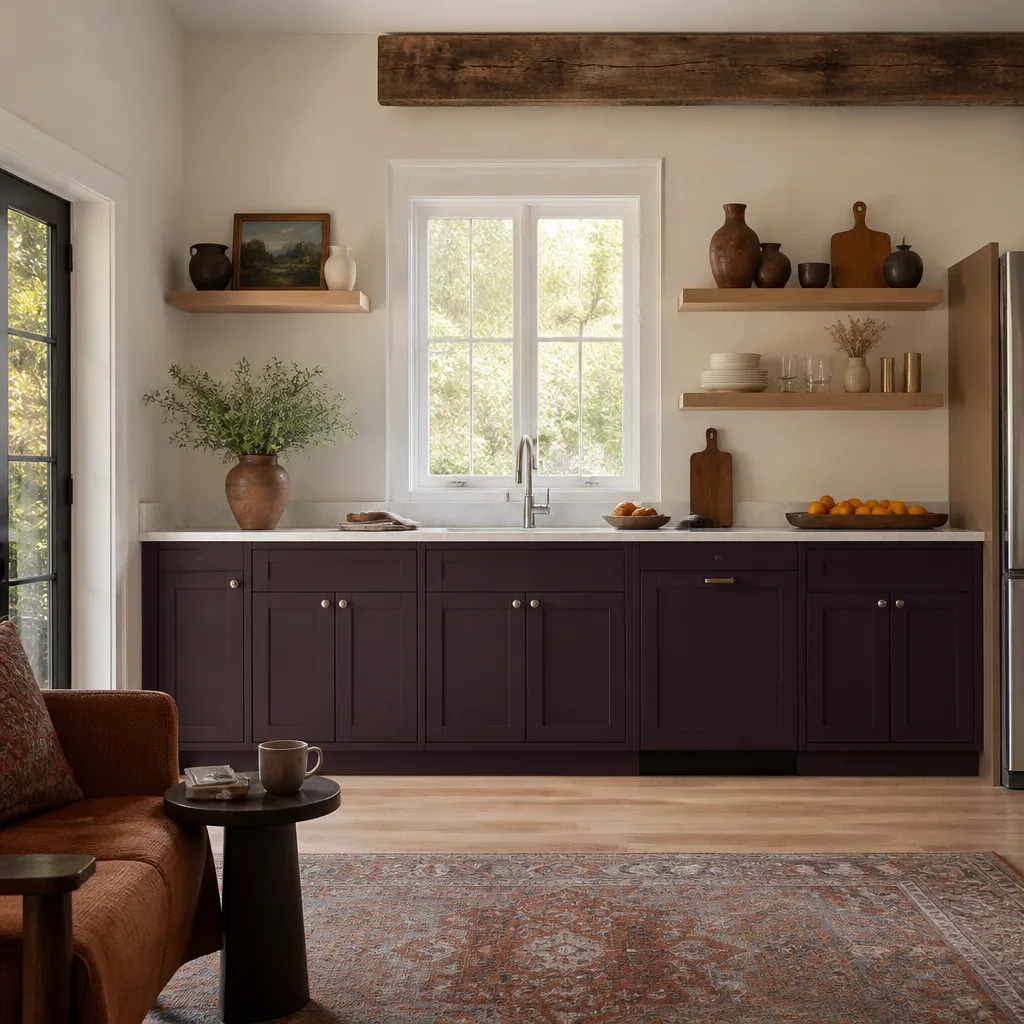
Most garage conversions in Houston use one of three James Hardie product lines: HardiePlank lap siding (the horizontal boards, typically 5/16″ thick in the 8-1/4″ or 7-1/4″ exposure), HardiePanel vertical siding (4’x8′ or 4’x10′ sheets, common on the boxy face of a garage conversion), or HardieTrim boards (the 5/4″ and 4/4″ boards used around windows, doors, and corners). Each line has its own fastening and flashing requirements, and mixing them up is where we see most DIY and even contractor-installed failures start.
The compatibility gotcha Houston owners should know: James Hardie panels and planks are not interchangeable with generic fiber cement. Hardie product edges are factory-sealed; when you cut a board, the exposed cut edge has to be re-primed and sealed, and if it wasn’t, that’s the single most common entry point for Houston moisture. We see it constantly on garage conversions done by crews that didn’t know Hardie’s specific install spec. The second gotcha: HardieTrim comes in both a smooth and a cedar-texture finish, and if you’re patching one board, matching the texture matters more than matching the paint. A smooth patch on a textured corner reads like a scar.
For OEM versus aftermarket: James Hardie’s ColorPlus factory-finish products carry a 15-year finish warranty, and when we replace a ColorPlus board, we order the actual Hardie ColorPlus board in the matching color code. For primed, field-painted product, a quality aftermarket fiber cement board from a supplier like CertainTeed or Allura can sometimes be used, but we’re straight with you: on a visible wall of a garage conversion, we default to genuine James Hardie for texture match and edge consistency. It’s a small price difference on one board and a big difference in how the repair looks two years later.
Signs Your James Hardie Garage Conversion ADU Is Failing
- Swelling or “pillowing” at the bottom edge of a HardiePanel. This is almost always wicking from slab contact. Houston garages converted to living space need a minimum 2″ clearance between the bottom of the siding and any concrete walkway, and older builds rarely have it. When that gap is missing, the board pulls moisture up like a wick.
- Hairline cracks radiating from nail or screw heads. Fasteners driven too deep, or missing the stud, leave a stress point. Houston’s clay soil expands and contracts with every wet-dry cycle, and the building moves. If the siding can’t move with it, it cracks at the fastener.
- Caulk lines pulling away from HardieTrim around windows and doors. HardieTrim is cementitious, not wood; it doesn’t flex. When the framed opening moves seasonally, the trim stays put and the caulk joint tears. This is a maintenance joint, not a defect, but it fails faster in Houston than anywhere we’ve worked.
- Chalky or peeling paint in isolated patches, not uniform. That’s not the paint failing; it’s moisture moving through the board body. Primed Hardie product installed without proper joint flashing lets rain drive behind the board at horizontal seams, and Houston rain is persistent enough to expose that in one season.
- Efflorescence or mineral crystals on the board face. That white crystalline deposit means water has saturated the fiber cement and is moving dissolved minerals to the surface. It usually shows up on garage wall faces that get direct afternoon sun, where the heat cycles push moisture outward.
Replacement Cost & What’s Included
For a typical Houston garage conversion ADU repair, here’s what the numbers look like:
- Single HardiePlank lap board replacement (painted): $180 to $340 installed, including color-matched paint and proper cut-edge sealing.
- Single 4×8 HardiePanel sheet replacement: $450 to $850 installed, including old board removal, flashing inspection, new board, sealing, and paint.
- HardieTrim board replacement around a window or door: $200 to $400 per board, including removal, refit, caulk joint, and paint.
- Full garage conversion exterior re-side in James Hardie: $9,000 to $18,000 for a typical one-car converted garage in Houston, including moisture barrier assessment, any needed sheathing repair, full Hardie install, caulk, and painted finish.
What drives the price up here is almost never the material; it’s what we find behind the material. If water got behind a failed board and sat against the sheathing or framing, you may need OSB or dimensional lumber replacement before the new Hardie goes on. We show you what we found, with photos, before we touch anything beyond the quoted scope. Every job includes a written price before work starts, a written guarantee on the repair, and our 365-Day Done Right Promise: if it’s not right, we come back and make it right, in writing, at no charge.
DIY or Call Us?
What a homeowner can safely check: hairline cracks at fastener heads are visible from the ground, and so is missing caulk at trim joints. You can also check the bottom-edge clearance on your Hardie product with a tape measure; if it’s less than 2″ from slab or grade, note that and watch the board after the next heavy rain. What goes wrong in DIY: removing a HardiePanel requires cutting the caulk joints, pulling fasteners without overdriving or splitting the adjacent boards, re-flashing the joint correctly, sealing the cut edge, and matching the texture and paint so the repair doesn’t announce itself. Get any of those wrong, and you’ve created a larger moisture problem than the one you started with. Fiber cement dust is also silica-heavy, and cutting Hardie without proper respiratory protection is a long-term lung risk. We’d rather you call us at (361) 326-2313 before you fire up a circular saw on a Hardie board. Estimates are free, and you’ll know the number in writing before you decide anything.
FAQs
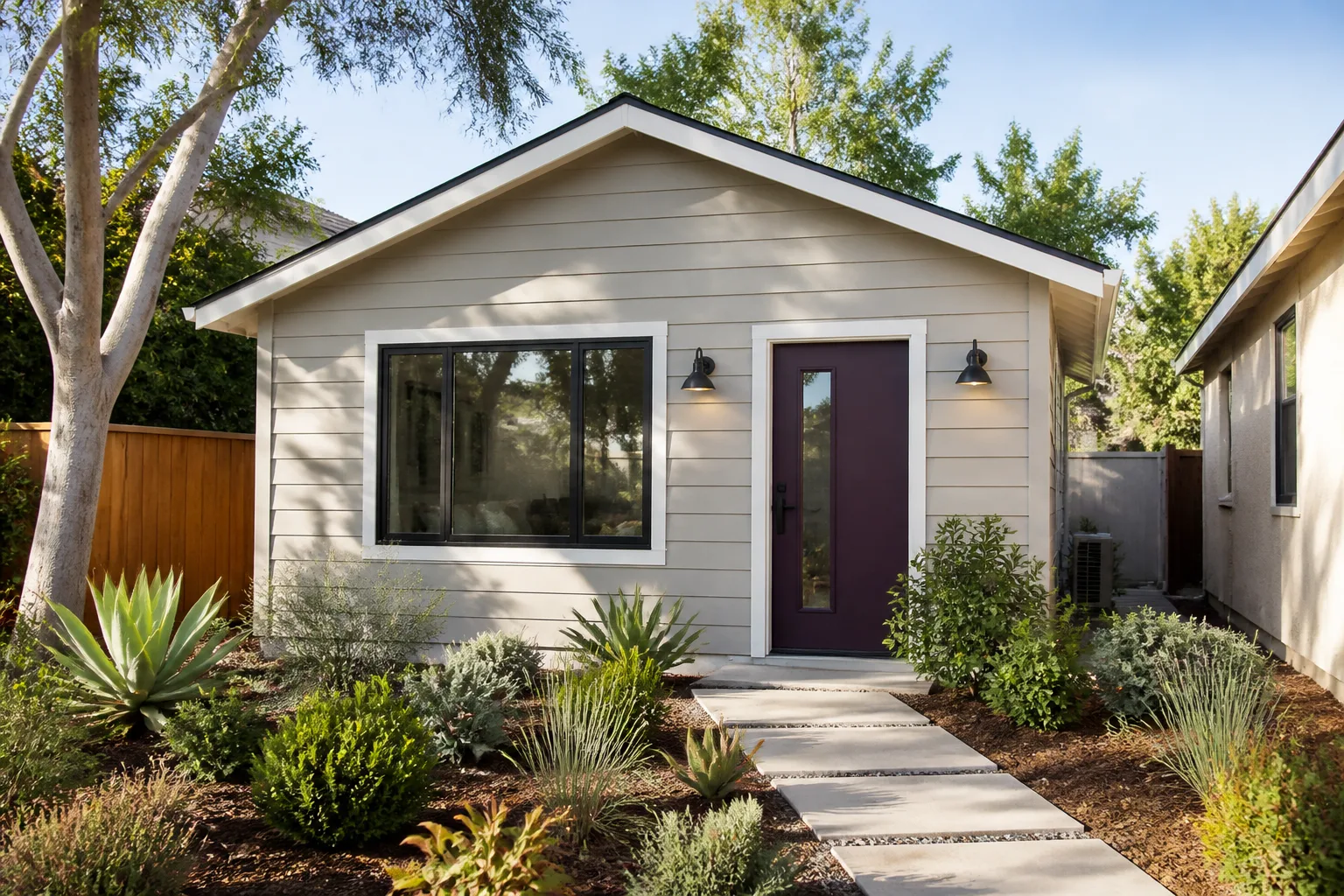
A correctly installed James Hardie exterior on a Houston garage conversion should last 30 to 50 years before the boards themselves fail, but the caulk joints, paint, and flashing typically need attention every 7 to 12 years in our climate. Houston’s humidity and rain cycling shortens the maintenance interval compared to the manufacturer’s general guidance. Call (361) 326-2313 and we’ll look at the actual board condition during a free estimate.
Small hairline cracks at fastener heads can sometimes be stabilized with a flexible sealant and repaint, and a minor bottom-edge swell can be arrested by cutting back the slab contact and sealing the edge, but delamination, heavy swelling, or waterlogged board body means replacement. We’ll tell you straight which camp yours falls into; the written estimate reflects the honest repair, not the easier one.
A single HardiePlank or HardieTrim replacement on a Houston garage conversion takes our crew half a day, including removal, any flashing correction, install, sealing, caulk, and paint. A full HardiePanel sheet runs a full day. A complete re-side is typically 3 to 5 working days depending on what we find when old boards come off. We give you a defined arrival window before we start, and we hold to it.
We keep the most common HardiePlank widths, standard smooth HardieTrim, and 4×8 HardiePanel sheets in our Houston yard, but textured HardieTrim and specific ColorPlus factory-finished colors are ordered per job from the local James Hardie distributor, usually 2 to 4 business days out. If you know your product type and approximate dimensions, tell us on the call and we’ll tell you whether it’s a same-week fix or a next-week order.
If your James Hardie garage conversion ADU is showing water damage, cracking at the fasteners, or failing caulk joints, call us at (361) 326-2313 to schedule a free estimate. We’ll put the price in writing before any work begins, show up in the window we gave you, and leave the job site cleaner than we found it, with a written guarantee on the work. Tell us what you need the space to do, and we’ll tell you exactly what it takes to get there.
Written by Russ Delmar, Owner, Lodgewick ADU Houston at Lodgewick ADU Houston, serving Houston and nearby areas.